European transport connects major economies through integrated road, rail, air, and maritime networks.
You rely on these routes to move goods, manage supply chains, and travel across borders efficiently.



Understanding key corridors and border protocols helps you avoid delays and stay compliant.
Major Road Transport Corridors
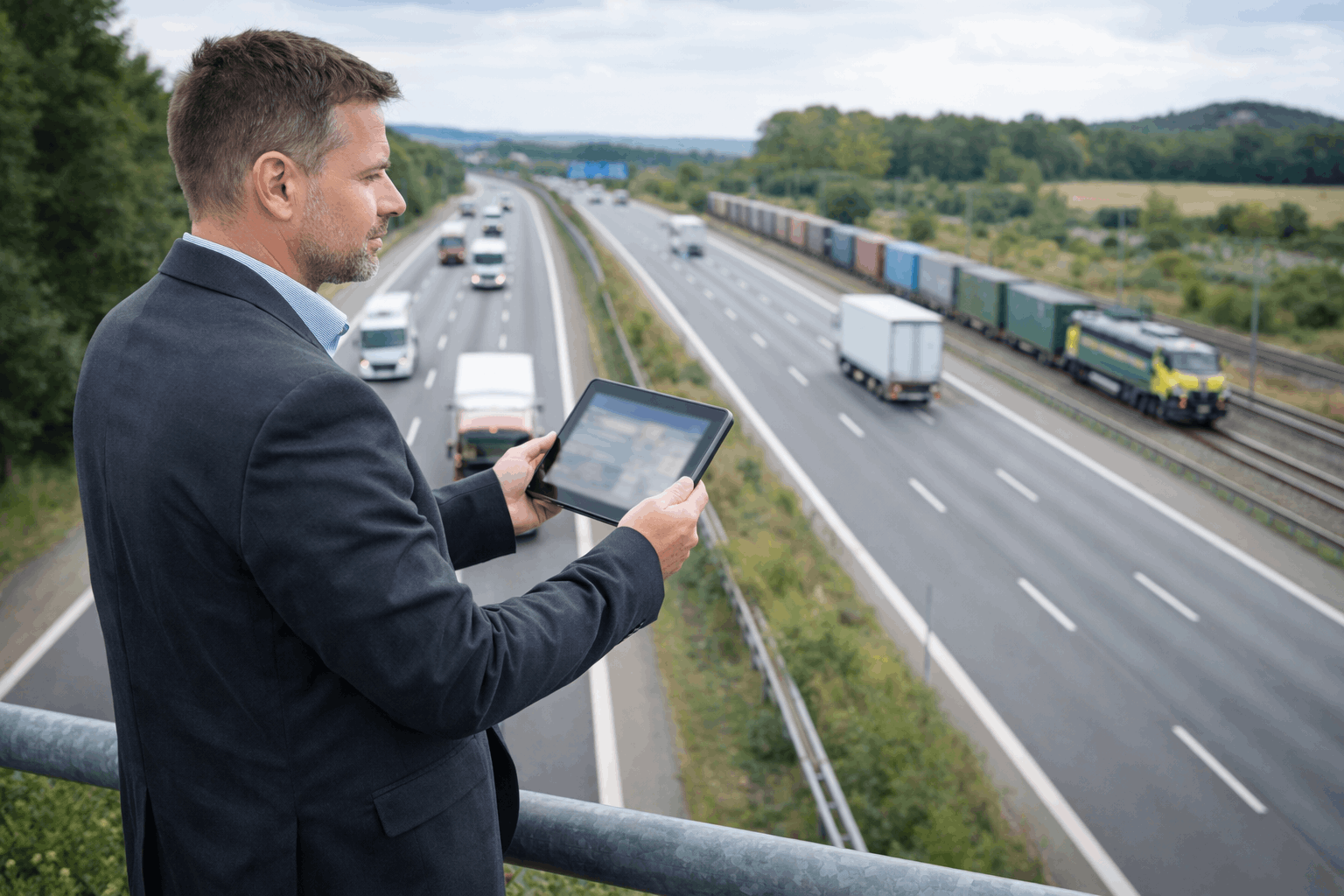
You rely on strong highways to move goods and people across Europe. These corridors connect ports, cities, and industrial zones efficiently.
- Trans-European Transport Network (TEN-T) Core Corridors – EU network linking major cities and ports for cross-border road flow.
- North Sea–Baltic Corridor – Connects North Sea ports to Central and Eastern Europe, supporting heavy freight traffic.
- Rhine–Alpine Corridor – Links Rotterdam and Antwerp to Northern Italy through key industrial regions.
- Mediterranean Corridor – Runs from Spain across Southern Europe to Eastern markets, strengthening trade routes.
- Scandinavian–Mediterranean Corridor – Connects Northern Europe to Southern Europe through a major north-south axis.
Key Rail Freight and Passenger Routes
Rail corridors strengthen cross-border mobility and reduce road congestion. You rely on these routes for efficient freight transport and high-speed passenger travel.
- High-Speed Rail Networks – Connect major cities such as Paris, Berlin, Madrid, and Milan for fast passenger movement.
- Rhine–Alpine Rail Freight Corridor – Links North Sea ports to Italy, supporting heavy industrial cargo flows.
- North Sea–Baltic Rail Corridor – Connects Western Europe to Poland and the Baltic states for freight transit.
- Mediterranean Rail Corridor – Facilitates cargo and passenger movement across Southern Europe.
- Channel Tunnel Rail Link – Connects the United Kingdom and France for passenger and freight rail services.
Strategic Maritime and Port Routes
Maritime routes handle a large share of Europe’s international trade. You depend on major ports and sea lanes for global cargo movement.
- Port of Rotterdam – Europe’s largest port, serving as a key entry point for global goods.
- Port of Antwerp-Bruges – A major logistics hub connecting maritime trade to inland Europe.
- Mediterranean Shipping Routes – Link Southern European ports to Asia, Africa, and the Middle East.
- Baltic Sea Routes – Support regional trade between Northern and Eastern European countries.
- North Sea Shipping Lanes – Connect major ports to transatlantic trade routes.
Major Air Transport Hubs
Air hubs connect Europe to global markets and business centers. You rely on these airports for fast passenger travel and high-value cargo transport.
- Frankfurt Airport – A leading European hub for international flights and air freight.
- Paris Charles de Gaulle Airport – A major gateway linking Europe to global destinations.
- Amsterdam Schiphol Airport – A key transfer hub for passengers and cargo logistics.
- London Heathrow Airport – One of Europe’s busiest airports for long-haul travel.
- Istanbul Airport – A strategic bridge between Europe, Asia, and the Middle East.
Schengen Area and Border-Free Travel
The Schengen system allows movement across many European countries without internal border checks.
You can travel between member states without routine passport control.
- Passport-Free Internal Travel – Enables movement between Schengen countries without standard border inspections.
- External Border Controls – Applies strict checks at entry points from non-Schengen countries.
- Temporary Border Reinstatement – Allows countries to restore controls in response to security or migration concerns.
- Unified Visa Policy – Uses a common short-stay visa for travel within the Schengen zone.
Customs and Border Protocols for Goods
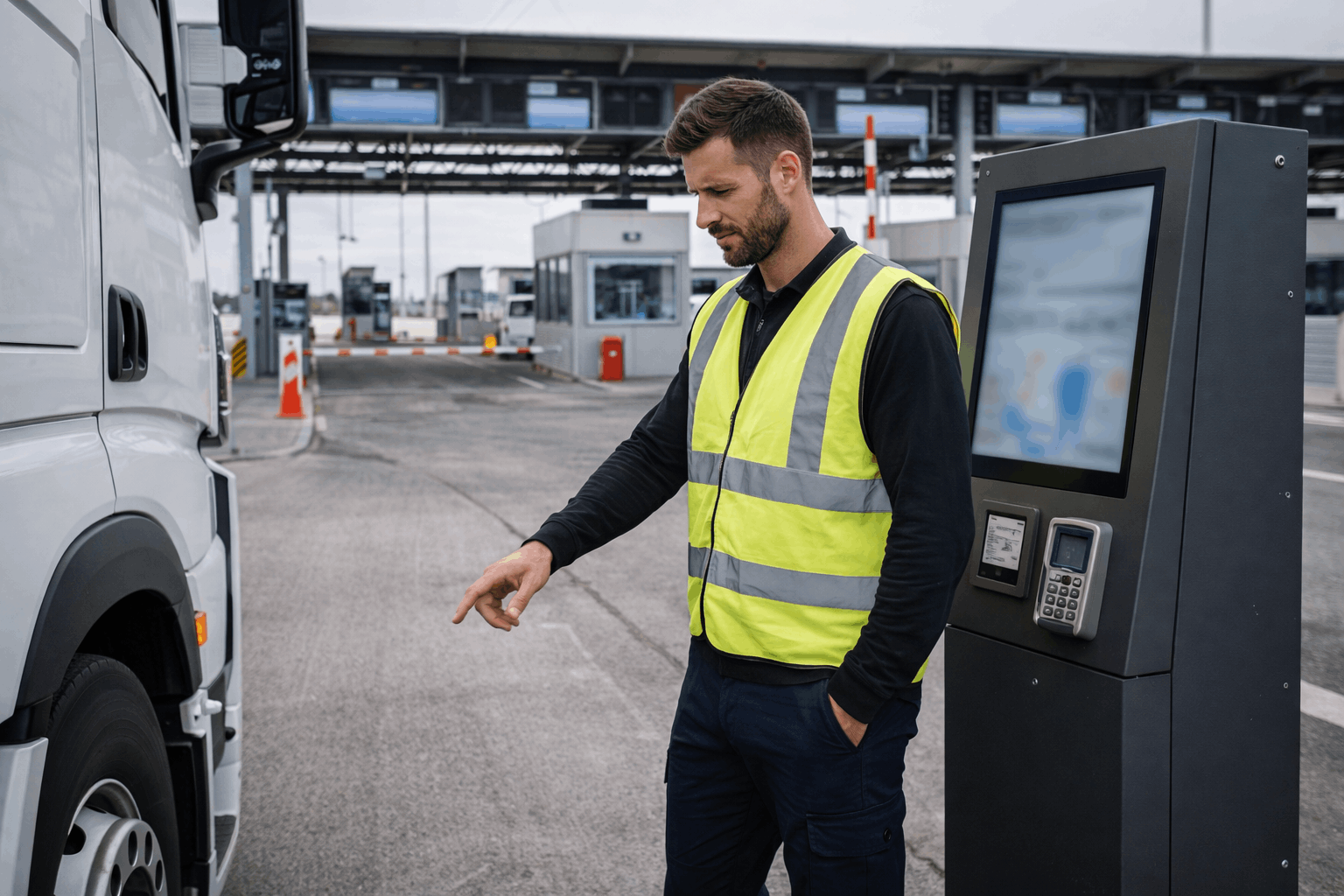
Cross-border trade requires structured customs procedures and documentation. You must comply with clearance rules to avoid delays and penalties.
- Customs Declarations – Required forms that detail the type, value, and origin of goods.
- Import and Export Documentation – Includes invoices, transport documents, and certificates of origin.
- VAT and Duties – Taxes and tariffs applied based on product category and destination.
- Electronic Customs Systems – Digital platforms used to submit declarations and track shipments.
- Risk-Based Inspections – Targeted cargo checks based on compliance history and shipment profile.
Brexit and Border Changes
Brexit changed how goods and passengers move between the UK and the EU. You must now follow separate customs and regulatory procedures.
- UK–EU Customs Checks – Goods moving between the UK and the EU require customs declarations and inspections.
- Import and Export Documentation – Additional paperwork is required for trade compliance.
- Northern Ireland Protocol Framework – Applies specific trade rules to avoid a hard border on the island of Ireland.
- Transit Delays and Compliance Controls – Border checks increased processing times for some shipments.
- Regulatory Divergence – The UK and EU may apply different product and safety standards.
Security and Compliance Standards
Transport across Europe operates under strict safety and regulatory frameworks. You must meet compliance standards to legally move goods and passengers.
- Vehicle Safety Regulations – Commercial vehicles must meet EU technical and inspection standards.
- Driver Certification Requirements – Drivers need valid licenses, permits, and professional qualifications.
- Aviation Security Controls – Airports apply screening, cargo checks, and passenger verification procedures.
- Maritime Safety Compliance – Ships must follow international safety, inspection, and reporting rules.
- Cargo Security Measures – Freight shipments are subject to tracking and risk assessment protocols.
Cross-Border Logistics and Supply Chain Coordination
Cross-border transport requires precise coordination between multiple actors.
You must align carriers, customs authorities, and warehouses to keep goods moving efficiently.
- Multimodal Transport Integration – Combines road, rail, sea, and air to optimize delivery routes.
- Transit Procedures – Allows goods to move through multiple countries under controlled customs status.
- Border Warehousing and Distribution Centers – Located near borders to manage storage and re-routing.
- Real-Time Tracking Systems – Uses digital tools to monitor shipment status across countries.
- Customs Brokerage Coordination – Specialists handle documentation and regulatory compliance.
Digitalization and Smart Border Systems
Border management now relies on digital systems to reduce delays. You use automated tools to improve clearance speed and compliance accuracy.
- Electronic Freight Documents (eFTI) – Digital submission of transport and cargo data across EU states.
- Automated Border Gates – Self-service systems for faster passenger verification.
- Digital Customs Declarations – Online platforms for submitting and processing trade documents.
- Data-Sharing Platforms – Authorities exchange shipment and security data in real time.
- Risk Analysis Algorithms – Automated systems identify high-risk cargo for inspection.
Future Developments in European Transport
European transport is evolving to improve efficiency and sustainability. You will see more investment in infrastructure, technology, and green mobility.
- Green Transport Initiatives – Focus on reducing emissions through electric vehicles and low-carbon logistics.
- Rail Network Expansion – Expands high-speed and freight rail to reduce road congestion.
- Infrastructure Modernization Projects – Upgrades highways, ports, and terminals to handle higher volumes.
- Smart Mobility Systems – Uses digital platforms to manage traffic and optimize routes.
- Alternative Fuel Infrastructure – Develops charging and hydrogen stations across key corridors.
Staying Efficient in Europe’s Evolving Transport Network
European transport depends on integrated routes and structured border protocols.
You must understand these systems to manage trade, logistics, and travel efficiently.
Review current regulations and corridor updates regularly to stay compliant and competitive.