Choosing the right credit card in Mexico might seem a bit overwhelming at first. So many options, each with its own perks, interest rates, and requirements.
In reality, finding the best fit can bring real savings and financial freedom. Whether someone is a student, a frequent traveler, or looking to rebuild credit, understanding current offers and key differences is essential.



This guide breaks things down, so readers can evaluate credit cards according to their own needs, not just flashy features or ads.
Why It’s Important to Compare Credit Cards in Mexico
Not all credit cards in Mexico are created equal. Some cards target those who pay balances in full each month, while others suit people who need more time to repay.
It might be surprising how much difference a slight change in the APR or annual fee can make over a year or two.
By comparing, individuals can avoid getting stuck with hidden fees, tricky terms, or rewards that aren’t really usable. For students, new workers, or anyone building credit, it’s a move worth considering.
Main Types of Credit Cards in Mexico
Mexico’s market isn’t quite the same as in the US or Europe, but several card types are fairly common. These choices each have advantages and small pitfalls, so the ideal option often depends on lifestyle and goals.

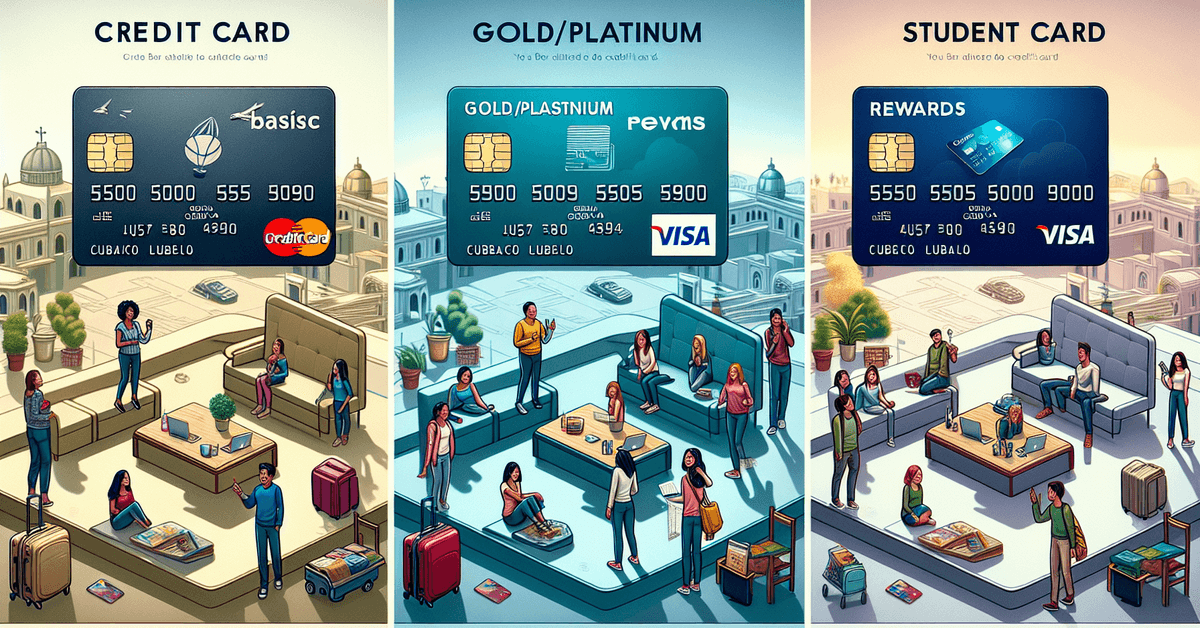
Basic or Classic Credit Cards
These are standard cards, often with lower limits and simpler benefits. They’re sometimes the best starting point for newcomers to credit or those who don’t spend much.
Typically, the fees are moderate, if present at all. Some banks even waive annual fees if the user spends above a monthly threshold, though that’s not always guaranteed.
Gold and Platinum Cards
Gold and Platinum cards usually offer higher spending limits and extra perks. Common benefits can include airport lounge access or travel insurance.
However, annual fees are generally higher, so the added features are best appreciated by frequent travelers or bigger spenders. Still, that higher status might not matter for someone who sticks to local purchases.
Credit Cards with Rewards Programs
Who doesn’t enjoy a reward? Many cards in Mexico offer points, cashback, or airline miles. Usually, higher rewards mean higher fees, so there’s a trade-off.
Not everyone uses points, so it’s smart to look closely at what’s on offer and how easily those points can be redeemed.
Student and Young Adult Cards
Banks are aware that students and young professionals want to start building credit. These cards typically have fewer perks but more forgiving approval criteria.
Often, the real goal here isn’t rewards, but a good credit score later on. Caution is wise, since spending limits are low and interest rates can be high if a balance is carried.
Key Features to Consider When Comparing Credit Cards
It’s easy to focus on flashy marketing, but the nuts and bolts of each credit card often matter more. These are the main factors that come up, time and again, for consumers in Mexico.
Annual Fees
Some credit cards in Mexico come with no annual fee, while others can charge several thousand pesos every year.
Sometimes, the fee is waived for the first year. For someone who doesn’t plan to maximize perks, skipping annual fees could make sense.
Interest Rates (CAT and APR)
Interest rates—like the annual percentage rate (APR) or Mexico’s CAT (Costo Anual Total)—hugely impact the cost of carrying a balance.
Many cards look attractive until the real cost of interest shows up later. Lower rates are usually better, but they can be harder to qualify for. For most, understanding the fine print around CAT is crucial to avoid surprises.
Credit Limits
Higher credit limits offer flexibility but can also tempt more spending. Some cards automatically increase limits with responsible use, while others need manual requests. Those starting out may want a card that can scale as their financial situation changes.
Rewards and Cashback
From points for gasoline to cashback on groceries, rewards sound appealing, but are only valuable if they actually fit into one’s regular spending habits. Looking past marketing slogans, it’s important to ask: will these rewards actually be used?
Foreign Transaction Fees
For people who travel or shop online internationally, foreign transaction fees can add up quickly. Some cards waive these fees, which could be a hidden value.
Special Perks
Think travel insurance, airport lounge access, or exclusive invites to events. Perks are great in theory but are sometimes more of a nice-to-have feature than an essential one.
Considering how useful these perks really are for an individual’s lifestyle isn’t always straightforward, but it matters in the end.
Top Banks and Providers Offering Credit Cards in Mexico
The main financial institutions in Mexico offer a range of cards. Some are traditional banks, others are newer fintechs looking to shake up the market. Each brand has carved out a reputation for various needs and preferences.
BBVA (Bancomer)
BBVA consistently leads the market in credit card offerings, with options that aim to cover almost every type of consumer—students, travelers, and people seeking no-fee options. They frequently update card perks, so it’s worth checking official resources for their latest offers.
CitiBanamex
CitiBanamex is often associated with solid rewards programs and cards geared toward frequent shoppers.
They maintain a wide network for discounts, though conditions apply. Their travel-focused cards often attract those who want more from their everyday spending.
HSBC México
Many in Mexico look to HSBC for introductory credit products with low approval barriers. Some cards include bonus points or temporary interest-free periods. They also emphasize digital services and simple application processes.
Santander México
Santander’s lineup covers everything from entry-level cards to exclusive Platinum products. They have some partnerships with airlines or tech platforms that may suit specific lifestyles. Annual fees and benefits are somewhat competitive.
Fintech Newcomers
Newer fintechs such as Nubank, Vexi, and Klar focus on digital-first services and simplified fees.
They may approve users with limited credit history, making them attractive to younger applicants or those rebuilding their financial track record.
How to Evaluate Your Options: Practical Tips
Researching online, reading terms and conditions, and perhaps talking with friends or colleagues who have practical experience can help provide real insight. Sometimes, the options that look best on paper just don’t translate to everyday usefulness.
Check Your Credit History
Knowing your own credit profile with Buró de Crédito is a smart first move. Many banks offer free consultation or digital tools to see where you stand, which may influence approval chances or available interest rates.
Match Features to Your Lifestyle
Someone who travels monthly, for example, could benefit more from travel-related perks than general cashback.
On the other hand, simple cards with low or no annual fees may be best for building history without taking on much risk—or much maintenance.
Read the Fine Print
Terms regarding foreign purchases, payment deadlines, and how rewards can be redeemed might seem minor. In reality, these details often affect day-to-day use more than flashy welcome bonuses.
Compare CAT (Costo Anual Total)
The CAT figure helps standardize the real cost of a credit card. Comparing this number across several cards can reveal options with higher or hidden fees that weren’t obvious at first glance.
Common Mistakes When Choosing a Credit Card in Mexico
Sometimes, people rush into applying for cards based on recommendations, or even just the color or design. A few mistakes crop up again and again, and it can be helpful to keep them in mind:
- Focusing only on rewards, not on fees or interest rates
- Ignoring the effect of annual fees on small spending habits
- Not checking for hidden costs, like cash withdrawal fees
- Applying for too many cards at once, which can lower credit scores
- Assuming more perks always means better value for everyone
Legal, Regulatory, and Tax Considerations
Mexican law, through the Comisión Nacional para la Protección y Defensa de los Usuarios de Servicios Financieros (CONDUSEF), regulates all credit card offerings.
Before agreeing to anything, it’s suggested to review available educational resources from CONDUSEF, or even their complaint mechanisms if something doesn’t seem right.
By law, every credit card contract in Mexico must disclose the CAT, interest rates, and any associated commissions.
For tax purposes, high spenders or business card users might want to check the latest rules with SAT (Servicio de Administración Tributaria) or a trusted accountant.
Frequently Asked Questions about Credit Cards in Mexico
Is it hard to get approved for a credit card?
Approval depends on age, employment status, and credit history. Some cards are designed for low thresholds, but higher-tier cards require solid backgrounds. Fintech cards sometimes offer simpler approval processes.
What is CAT, and why is it important?
CAT stands for Costo Anual Total—a figure summarizing the real cost of a credit card. It includes interest and most recurring fees, making it easier to compare side by side across banks.
Can foreigners apply for credit cards in Mexico?
Some banks permit foreigners with residency documents to apply, but requirements vary. Having a stable income and a Mexican credit history helps.
Are there truly no-fee credit cards?
Some banks offer cards that permanently waive annual fees or do so when minimum spending is met each month. It’s best to check current bank policies for the specifics.
Conclusion
Choosing the right credit card in Mexico requires careful comparison of fees, interest rates, and benefits. Understanding your financial habits helps identify the most suitable option.
Paying attention to details like CAT and hidden costs can prevent long-term issues. Responsible use and timely payments are essential for maintaining a healthy credit profile. Overall, informed decisions lead to better financial flexibility and control.