Free TV channels online have become an increasingly popular way for many people to access their favorite content. This is especially true when budgets are tight, or when someone just prefers the flexibility of watching shows on various devices.
But what many might not realize is that, yes, there are legal ways to watch TV content online without paying expensive cable bills.



This article is designed for anyone curious about safe and authorized streaming options—students, families, or even those just trying to catch the news from abroad. Here, you’ll find practical suggestions and useful resources to get started.
Understanding Legal Streaming: Why It Matters
It might seem tempting to use any site offering live TV, but not all online platforms have the right to distribute content. Legal streaming protects viewers from malware, scams, and copyright issues.
Legitimate platforms often provide better streaming quality and more reliable access, without the risks associated with unauthorized websites. In a world where one click might compromise your device or personal data, sticking with approved sources is always the safer bet.
Top Safe Platforms for Free TV Online
There are several well-known platforms that provide free-to-watch TV content, all while operating fully within legal boundaries. The best options vary by country, but some major services are accessible in multiple regions.
Public Broadcasting Services
Nearly every country has a public broadcaster that streams select shows, news, or even live events online.
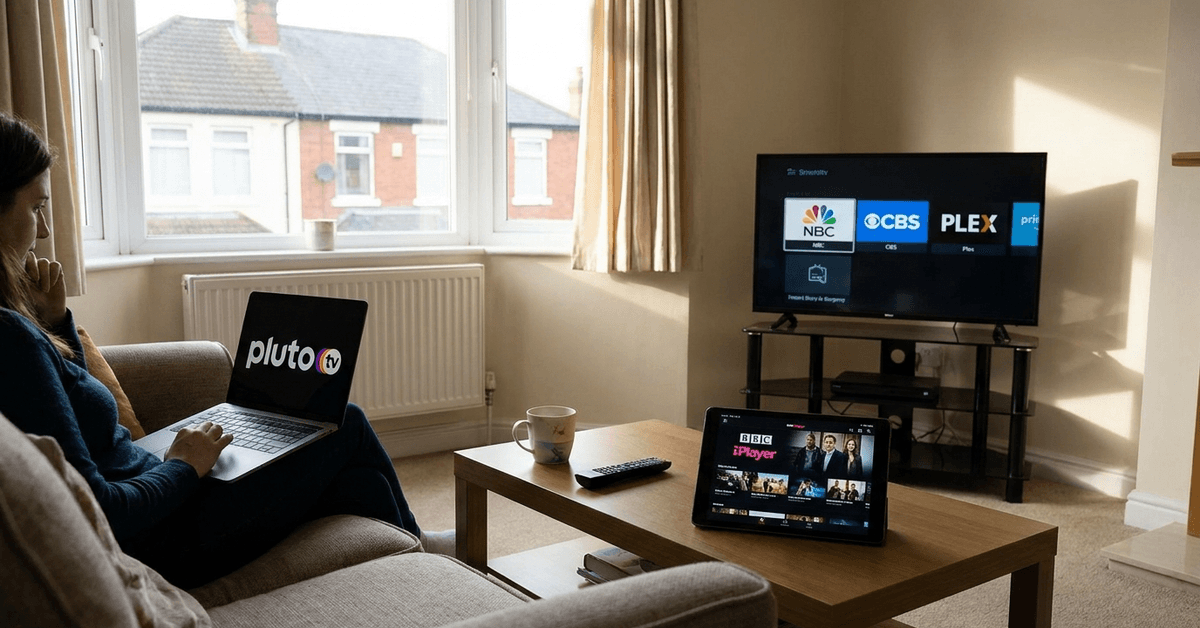
Examples include BBC iPlayer (UK), PBS (US), and ARD Mediathek (Germany). While some content may require registration, it’s mostly free to access.
Network TV Websites
Many major networks such as NBC, CBS, Fox (US), ITV (UK), and France.tv (France) offer entire episodes or live streams directly. VOD libraries often include recent news, dramas, and entertainment shows—sometimes with ads but at no cost to the viewer.
Major Streaming Aggregators
Some platforms aggregate free TV channels, typically with permission from networks. Pluto TV and Plex Live TV are growing in popularity, offering a broad selection of channels in various languages, all funded by advertising instead of subscription fees.
Apps for Free TV Streaming
Apps like Samsung TV Plus or LG Channels are pre-installed on smart TVs and now even available as phone apps in certain regions. These apps cover genres from sports to reality and kids programming, all free (though sometimes ad-supported).
How to Find Legal Free TV Channels Online?
Finding the right place to watch free TV can feel daunting, so it helps to focus on trusted official platforms. A quick visit to a broadcaster’s official site or their registered app is a reliable starting point.
Some countries even publish government-curated lists of authorized media services to make the search easier.
Check National Broadcasters’ Offical Sites
Most public broadcasters have a dedicated section for live streaming or catch-up TV. Browsing directly to their homepages provides the easiest access to what’s available—without any worry about legality. For example, NHK (Japan) or CBC Gem (Canada) offer extensive free content locally.
Use Aggregators Cautiously
While many aggregators are safe, always verify that they operate with proper licensing. Official stores like Apple App Store or Google Play feature user ratings and security checks, helping ensure the apps on offer are legitimate and free of malware.
Look for Partnerships and Official Seals
Platforms openly advertising partnerships with broadcasters or using official network branding are more likely to be safe choices. Site footers or app descriptions often note their legal credentials or partnerships with content owners.
Benefits of Watching Free TV Legally
The main advantage is clear— peace of mind. Users know their viewing habits are protected, with little risk of malware or identity theft. Often, the streaming experience is smoother too, since official providers want to keep viewers engaged and happy.
Stable Streaming and Fewer Interruptions
Legal services invest in their technology, so buffering, random pop-ups, or stream drops are less common. That can make a real difference, especially during live sporting events or breaking news—when timing matters most.
Access to Exclusive Content and Replays
Not everything makes it onto unauthorized streams. Official platforms occasionally offer bonus interviews, behind-the-scenes specials, or replays that other sources don’t provide. This can be a pleasant bonus for fans of specific genres.
Support for Content Creators
Using legal channels helps keep shows funded and content creators paid. Ad-supported platforms share a portion of revenue with creators, so supporting them through legal views helps keep more free TV content coming in the future.
Free TV Streaming: Drawbacks and Considerations
Still, there are tradeoffs. Free legal services may restrict access outside the primary broadcast region due to licensing. Users traveling abroad might see geo-block errors. Also, most free streams have ad breaks, sometimes longer or more frequent than on traditional TV.
Geographic Restrictions and Geo-blocking
Some content is locked to certain countries. Viewers seeking international programming might be disappointed, unless there are local rights for online streaming.
Official platforms occasionally advise about mobile-friendly alternatives or ways to enable local access abroad.
Interruptions from Ads
Advertising funds the service, so ad breaks are common. These can sometimes be more repetitive online, though usually shorter than full TV ad blocks.
Skipping is rarely possible on live streams, though some on-demand content allows limited fast-forwarding.
Tips for a Safe and Enjoyable Online TV Experience
While watching free TV online sounds straightforward, a few habits can make the experience smoother and more secure. Perhaps it’s worth taking a moment to review the basics before diving in.
- Bookmark only official broadcaster links to prevent confusion
- Update streaming apps and browsers regularly for the latest security fixes
- Avoid sites that require suspicious plug-ins or unofficial downloads
- Use ad blockers carefully—some sites may block access if they detect these tools
- Check available settings: enabling subtitles or changing video quality often improves the experience
Frequently Asked Questions about Free Legal TV Streaming
There’s still some uncertainty about what counts as legal or what’s actually free. The following list gathers a few common questions and answers that might help clarify things.
- Are all free TV streaming platforms legal? Only if the content has been licensed by the distributor or creator. Well-known platforms are usually upfront about their rights.
- Can I watch foreign news channels for free? Sometimes, but only if they offer online streaming in your country. Geo-blocking may limit availability.
- Do I need to create an account for free TV? Some platforms require sign-up to personalize recommendations or comply with age restrictions, but not all demand registration just to watch live TV.
- Is it safe to provide personal information? Stick to platforms with a strong privacy policy and always avoid entering sensitive details on unknown sites.
- Are ads on these platforms safe? Generally yes, since major platforms have higher standards for advertisers, but it’s still smart to keep devices protected with security updates.
Conclusion: Enjoying Free TV Online Legally
Legal streaming services offer safer access to news, shows, and live channels. Public broadcasters and ad-supported platforms provide many free viewing options.
Regional limits and advertisements may still affect the experience. Using trusted sources helps protect your device while supporting legitimate content.