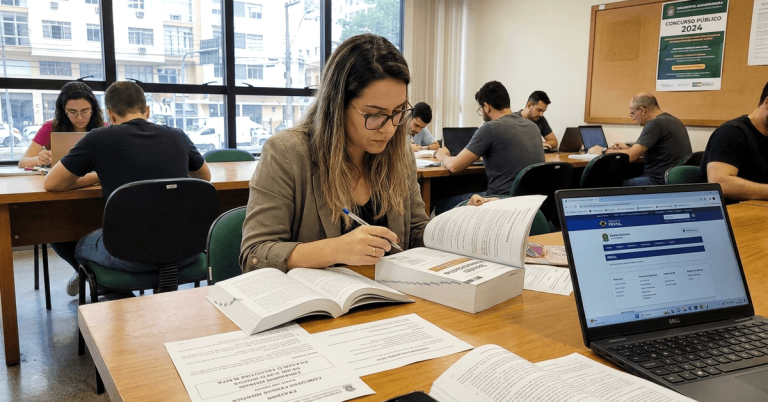
You want to understand how the Burger King selection process works before you apply.
This guide explains the assessment tests, interview stages, and what hiring managers expect from you.



When you prepare properly, you increase your chances of getting hired quickly.
Understanding the Burger King Hiring Process
You need to know how the hiring process works before applying. Understanding the steps helps you prepare and avoid mistakes.
- Online Application Submission – You complete a digital form with your details, work history, and availability. Make sure everything is accurate.
- Application Screening – The hiring team reviews your eligibility and schedule flexibility. They focus on reliability first.
- Assessment Tests – You may complete short evaluations measuring attitude and decision-making skills.
- Interview Stage – If selected, you attend a phone or in-person interview. The manager evaluates your communication and professionalism.
- Final Decision – The manager reviews your overall fit before offering the position.
Key Competencies Burger King Looks For
Hiring decisions are based on specific workplace competencies. Managers evaluate behavior, consistency, and service performance.
- Customer Service Skills – Clear communication, respectful interaction, and the ability to handle customer concerns professionally.
- Teamwork and Cooperation – Ability to work efficiently with coworkers and follow team instructions during busy shifts.
- Reliability and Punctuality – Consistent attendance and arriving on time for scheduled shifts.
- Adaptability Under Pressure – Maintaining performance during peak hours and high customer volume.
- Attention to Detail – Ensuring order accuracy, food safety compliance, and proper task execution.

Burger King Assessment Tests
Assessment tests may be required before the interview stage. These evaluations measure attitude and overall job readiness.
- Personality Assessment – Short questions focus on teamwork, responsibility, and customer service mindset. The goal is to measure reliability and work attitude.
- Situational Judgment Test – Workplace scenarios such as customer complaints or busy shifts are presented. Decision-making and problem-solving skills are evaluated.
- Basic Skills Screening – Simple math or reading tasks may be included. These confirm the ability to handle transactions and follow instructions.
- Availability Check – Work schedule flexibility is reviewed. Open availability increases hiring potential.
Assessment Retake Policies
Some applicants may not pass the assessment on the first attempt. Retake policies depend on store management and franchise rules.
- Waiting Period Requirement – A specific number of days may be required before retaking the assessment.
- Score-Based Eligibility – Retakes may be allowed only if the previous score meets a minimum threshold.
- Application Reset Process – In some cases, a new application must be submitted before retesting.
- Manager Discretion – Final approval for a retake may rest with the hiring manager.
- Limited Retake Attempts – Certain systems restrict the number of allowed attempts.
Role-Specific Test Variations
Assessment content may vary depending on the position applied for. Each role requires different skills, so evaluations are adjusted accordingly.
- Cashier-Focused Assessments – Emphasis on basic math accuracy, transaction handling, and customer interaction scenarios.
- Kitchen or Grill Role Tests – Focus on food safety knowledge, following procedures, and working under time pressure.
- Service Crew Evaluations – Scenarios measure communication skills, order accuracy, and problem resolution ability.
- Shift Leader Assessments – Include decision-making exercises, team supervision situations, and operational judgment questions.
- Management-Level Tests – May involve leadership simulations, conflict management, and performance evaluation cases.

Types of Interviews
Different interview formats are used depending on the role and location. Each format evaluates communication, teamwork, and professionalism.
- Phone Screening Interview – A short initial call to confirm availability, experience, and interest in the position.
- One-on-One Interview – A direct conversation with the hiring manager focusing on behavior, reliability, and customer service attitude.
- Panel Interview – Multiple managers ask questions to assess consistency and overall fit for the team.
- Group Interview – Several candidates participate together while managers observe teamwork and interaction skills.
- Virtual Interview – Conducted through video platforms to evaluate communication and professionalism remotely.
Behavioral-Based Interview Questions
Behavioral questions focus on past actions and real experiences. Interviewers use these responses to predict future job performance.
- Customer Conflict Situations – Questions ask how difficult customers were handled and what actions were taken.
- Teamwork Examples – Candidates describe experiences working with others to achieve shared goals.
- Handling Pressure – Scenarios involve managing busy shifts or meeting tight deadlines.
- Problem-Solving Cases – Situations require explaining how workplace issues were resolved.
- Responsibility and Accountability – Questions explore how mistakes were handled and lessons learned.
Interview Scoring Criteria
Interviews are often evaluated using structured scoring standards. Managers compare candidates based on consistent performance indicators.
- Communication Clarity – Responses are rated on clarity, confidence, and ability to stay focused on the question.
- Professional Attitude – Body language, tone, and overall behavior are assessed during the discussion.
- Customer Service Orientation – Answers are evaluated based on service mindset and problem-solving approach.
- Reliability and Availability – Schedule flexibility and commitment level influence scoring.
- Consistency of Responses – Answers are reviewed for honesty, alignment, and logical structure.
Interview Preparation Strategy
Preparation strengthens performance and reduces interview stress.
Managers evaluate attitude, reliability, communication, and overall professionalism.
- Research the Role – Review daily responsibilities, shift expectations, and basic company standards before attending the interview.
- Practice Clear Answers – Prepare short, structured responses to common questions about teamwork, availability, and handling pressure.
- Dress Professionally – Choose clean, simple, and appropriate clothing that reflects seriousness and workplace readiness.
- Arrive Early – Plan transportation in advance and arrive at least 10–15 minutes before the scheduled interview.
- Maintain a Positive Attitude – Show confidence, respect, and a willingness to learn throughout the conversation.
Background Checks and Employment Verification
Some positions require additional verification before final hiring. These checks confirm eligibility and ensure workplace compliance.
- Work Authorization Verification – Legal documents are reviewed to confirm employment eligibility.
- Identity Confirmation – Personal identification is validated to prevent record discrepancies.
- Employment History Review – Previous work experience may be verified for accuracy and consistency.
- Reference Checks – Past supervisors may be contacted to confirm reliability and performance.
- Policy Compliance Screening – Internal standards are reviewed before extending a job offer.
Digital Hiring Platforms and Online Portals
Most hiring steps are completed through digital systems. Understanding these platforms helps avoid delays and application errors.
- Official Career Website – The main platform for submitting applications and creating a candidate profile. It stores personal details and job preferences.
- Applicant Tracking System (ATS) – An internal system that filters applications by qualifications and availability.
- Online Assessment Portal – A separate link may be sent for completing the required tests. Results are automatically recorded in the system.
- Email Notification System – Automated messages confirm submissions, schedule interviews, or provide status updates.
- Interview Scheduling Tool – Some locations use digital scheduling links to confirm interview dates and times.
Common Mistakes Applicants Make
Small errors can affect hiring decisions. Avoiding these mistakes improves selection chances.
- Incomplete Application Forms – Missing details or inaccurate information can delay or reject an application.
- Late Arrival to Interviews – Punctuality reflects reliability and professionalism.
- Poor Communication – Unclear answers or weak eye contact reduces confidence impression.
- Lack of Preparation – Not reviewing the role or common questions lowers performance quality.
- Negative Attitude – Complaints about past jobs or low enthusiasm can harm evaluation results.
Final Steps to Secure the Position
The Burger King selection process carefully evaluates assessment results and interview performance.
Strong preparation, clear communication, and a professional attitude directly improve hiring chances.
Apply confidently, complete each step seriously, and take action now to secure your opportunity.