Finding credit cards in Mexico when you have bad credit or no credit history at all can feel a bit intimidating. It’s a challenge many people face—especially if you’re just starting your financial journey, or perhaps had a setback that impacted your score.
This article explores the landscape for those who need entry-level credit cards in Mexico, offering insights and practical options that could be surprisingly accessible. This guide is particularly relevant for anyone living in Mexico who’s felt excluded from traditional financial products.



Whether you’re trying to rebuild after credit troubles, just moved, or haven’t had the need for a credit card until now, you’ll find information that could help you make informed decisions and maybe even improve your financial future.
Why Credit Cards Are Hard to Get with Bad or No Credit in Mexico?
Let’s be realistic—most banks in Mexico look for applicants with a good credit record. They want proof that you’ve managed debt well in the past.
If you lack this, the approval process seems stacked against you. Some even say it feels unfair, and perhaps that’s true to an extent. But there are reasons behind it.
Financial Institution Risk Assessment
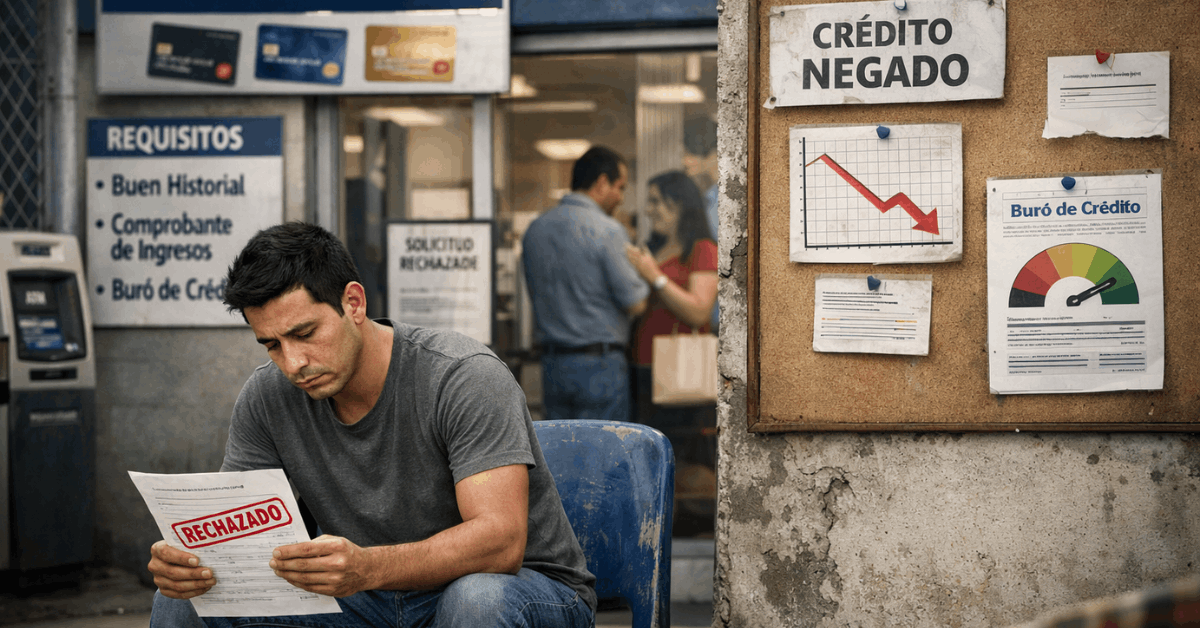
Banks calculate risk based on your repayment history. With bad credit—or none—they aren’t sure you’ll pay them back. As a result, options become limited. This cautious approach means some people feel left out.
Strict Approval Criteria
Many traditional providers require a steady income, proof of address, and a solid credit score from Buró de Crédito.
If you can’t provide these, rejections are fairly common. Occasionally, though, there are exceptions or workarounds.
Types of Credit Cards You Might Qualify For
While the mainstream products may be tough to get, a few types of cards are designed for beginners or those rebuilding credit.
Sometimes, the options aren’t as visible, but they do exist—and some have reasonable terms compared to others.
Secured Credit Cards
This type is perhaps the most accessible. It requires a cash deposit as collateral—usually equal to your credit limit. Because your money backs the card, approval is easier. Some banks, like BBVA or Banamex, have these options available. It’s a way to show responsible use and gradually build—or repair—your credit score.
Department Store Credit Cards
A few major retailers, like Liverpool or Coppel, may offer starter credit cards with lower limits and more flexible criteria.
These could serve as an entry point, even when bank cards seem out of reach. Store cards tend to have higher interest rates and are mainly usable within their stores, but they still help with credit building.
Online or Fintech Credit Cards
Recently, Mexican fintechs like Nubank and Klar have begun offering digital-first cards that sometimes accept customers with little or no credit history.
Their processes are more automated and might rely on alternative data, though actual acceptance varies from person to person.
Main Requirements for Entry-Level Credit Cards in Mexico
The most accessible credit cards in Mexico still require you to submit a basic set of documents and to meet some minimum standards.
Sometimes, getting these documents in order is a hurdle in itself, depending on your circumstances.
ID and Proof of Address
Virtually all applications require an official ID (like your INE or passport) and something to confirm your address (utility bill, bank statement). The exact requirements vary by provider.
Age and Income Checks
Most banks ask you to be at least 18 or 21 years old, with a monthly income threshold. For secured cards, though, the income requirement can be lower, since your deposit reduces the bank’s risk.
Proof of Deposit
If you’re applying for a secured credit card, you’ll need to show you can fund the deposit—this serves as your credit limit. This makes the process more practical for some, but perhaps less so if funds are tight.
Leading Banks and Fintechs with Entry-Level Card Options
Although some possibilities depend on your location or residence status, a few providers consistently appear in conversations about accessible credit cards in Mexico. This isn’t a ranking, but rather a look at what’s available if you explore the market.
BBVA Secured Card
BBVA is one of Mexico’s largest banks, and its Tarjeta de Crédito Garantizada is known for being relatively achievable. The card works well for building credit, provided you make timely payments.
Klar Credit Card
Klar is a digital leader among new Mexican banks. Its credit accounts often don’t require you to have prior credit history. Still, the availability might change depending on demand or regulatory changes.
Liverpool Department Store Card
Liverpool offers a starter credit card (“Tarjeta Liverpool Accesible”) that doesn’t always require a traditional score. Acceptance depends on your relationship with the store and basic documentation.
Nubank Mexico
Nubank has made headlines for giving people a way to enter the world of credit cards without a long financial track record. The experience can be smooth, yet, as with all fintechs, sometimes the criteria aren’t crystal clear.
Coppel Credit Card
Coppel, a widely known retailer, issues store cards that can be relatively easy for newcomers. The card’s usage is mainly limited to Coppel stores, but it does contribute to your credit history.
Pros and Cons of Entry-Level Mexican Credit Cards
The first credit card you get when recovering from bad credit or starting out comes with some trade-offs.
In fact, sometimes the negatives can feel discouraging. However, with care and patience, many find these products a useful step in the right direction.
Advantages
- Credit history building: Every on-time payment helps you progress toward better offers.
- Financial inclusion: Even basic cards offer digital payments and some online purchases.
- Budget tools: Many beginner cards integrate apps to help track spending.
Disadvantages
- Fees and interest: Rates may be higher for riskier customers.
- Low limits: Credit lines often start small and increase slowly.
- Restricted acceptance: Store cards can only be used at select merchants.
Tips to Improve Approval Chances
Improving your chances of getting a credit card—even a basic one—often means taking stock of your financial image.
Some of these steps are obvious but still worth mentioning, just in case they help someone new to the process.
Check Your Buró de Crédito Report
It’s possible to request a free annual report from Buró de Crédito. Sometimes, errors appear on these reports and fixing them could open more possibilities for approval.
Use Secured Products First
Secured cards tend to be less selective. Making regular payments and keeping the balance low might build trust with banks, which sometimes results in offers for unsecured cards later on.
Consider Payroll or Bank Relationship Cards
If you’re already receiving a salary at a major bank, some institutions may issue a simple credit card based on your personal relationship with them, even if your credit is thin or weak.

Avoid Multiple Applications
Applying for too many cards in a short time can look like a red flag to lenders. A single denial isn’t the end, but repeated hard inquiries might further reduce your approval chances.
Costs, Fees, and Fine Print to Watch For
Some of the less-advertised aspects of entry-level cards have to do with costs. Many newcomers, understandably, focus on getting approved and may overlook yearly fees or unexpected charges. Over time, these can eat into your budget.
Annual Fees
A number of starter cards include yearly charges, which can be higher than average. Occasionally, promotions waive the fee for the first year—reading the details pays off in the long run.
Interest Rates (CAT)
The “Costo Anual Total” (CAT) usually runs high for these cards. Paying off your balance every month helps you avoid these rates, but if not, they accumulate fast.
Late Fees or Service Charges
Missing payments triggers extra fees or even cancellation. Some cards, especially secured ones, may also hold onto your deposit if you’re late on payments.
How to Use Your First Credit Card Responsibly?
For many, the main goal is simple: lay a foundation for better products in the future. It isn’t always easy, and there’s a learning curve. However, a few habits can help you stay in good financial standing as you begin using your card.
Pay On Time, Every Time
Treat your credit card as a tool for emergencies or planned purchases rather than everyday spending—at least while your credit is still fragile. Set reminders or use automatic payments whenever that’s possible.
Keep Balances Low
The general advice is to use only a small percentage of your credit limit. Not only does this lower interest charges, but it may also slowly improve your attractiveness to lenders.
Track Spending Carefully
Most banks and fintech cards have free apps that let you check transactions in real-time. Reviewing statements regularly can prevent problems from snowballing.
Legal, Privacy, and Tax Considerations
Credit products in Mexico are subject to local regulations. Understanding your rights might seem daunting, but a few points always seem relevant to new cardholders.
Review Contract Terms
Before activating your card, make sure you read and understand the full contract. All legal disclosures (“contrato de adhesión”) are required by CONDUSEF, Mexico’s financial watchdog.
Consider Data Privacy
Banks and fintechs must follow Mexico’s privacy laws. Your personal data—like your CURP and address—is protected by law, but it’s worth checking the privacy policy.
Tax Reporting
If you receive significant deposits or payments through your card, the SAT (Mexican tax authority) could investigate sources of income. This is usually only relevant for freelancers or high-volume users, but it’s a factor to keep in mind.
Frequently Asked Questions About Bad Credit Credit Cards in Mexico
Are foreign residents eligible?
Most cards require Mexican residency. Some fintechs have been more flexible recently, but official ID from Mexico is usually a must-have.
How long does it take to improve your credit score?
With consistent repayments and careful use, many people note improvement within 6–12 months. However, it varies case by case—and patience is, perhaps unfortunately, required.
What if I am denied again and again?
If you encounter repeated denials, focusing on building a positive record with smaller, non-credit financial products (like savings accounts or service contracts) could help indirectly over time.
Conclusion
Getting a credit card in Mexico with bad or no credit is possible with the right approach. Entry-level options like secured and store cards can help build a positive financial history.
While these cards may come with higher fees or lower limits, responsible use improves future opportunities.
Consistent payments and careful spending habits are essential for progress. Overall, patience and discipline are key to rebuilding or establishing strong credit.