If you are considering Subway jobs, you need to understand how online training modules prepare you for daily tasks.
These modules teach you food safety, customer service, product knowledge, and store procedures in a structured way.



Knowing how the training works helps you feel prepared, confident, and ready to perform from your first shift.
Overview of Subway Jobs
Subway offers entry-level and leadership roles based on your experience. You can start in basic positions and move up over time.
- Sandwich Artist – You prepare sandwiches, serve customers, and follow food safety rules.
- Cashier – You handle payments, operate the register, and assist at checkout.
- Food Prep Staff – You prepare ingredients, restock items, and keep the area clean.
- Shift Supervisor – You manage the shift, support staff, and solve basic issues.
- Assistant Manager – You help with scheduling, inventory, and team supervision.
- Store Manager – You oversee operations, staff performance, and store targets.
What Are Subway Online Training Modules?
Subway online training modules prepare staff for daily operations and service standards.
These structured lessons support consistent performance across locations.
- Standardized Learning System – Follows uniform procedures used in Subway stores.
- Food Safety Training – Covers hygiene practices, storage rules, and safe handling.
- Customer Service Guidelines – Explains professional communication and service expectations.
- Product Knowledge Lessons – Reviews ingredients, menu items, and preparation steps.
- POS System Training – Teaches payment processing and transaction handling.
- Progress Tracking – Completion and assessment results are monitored by management.
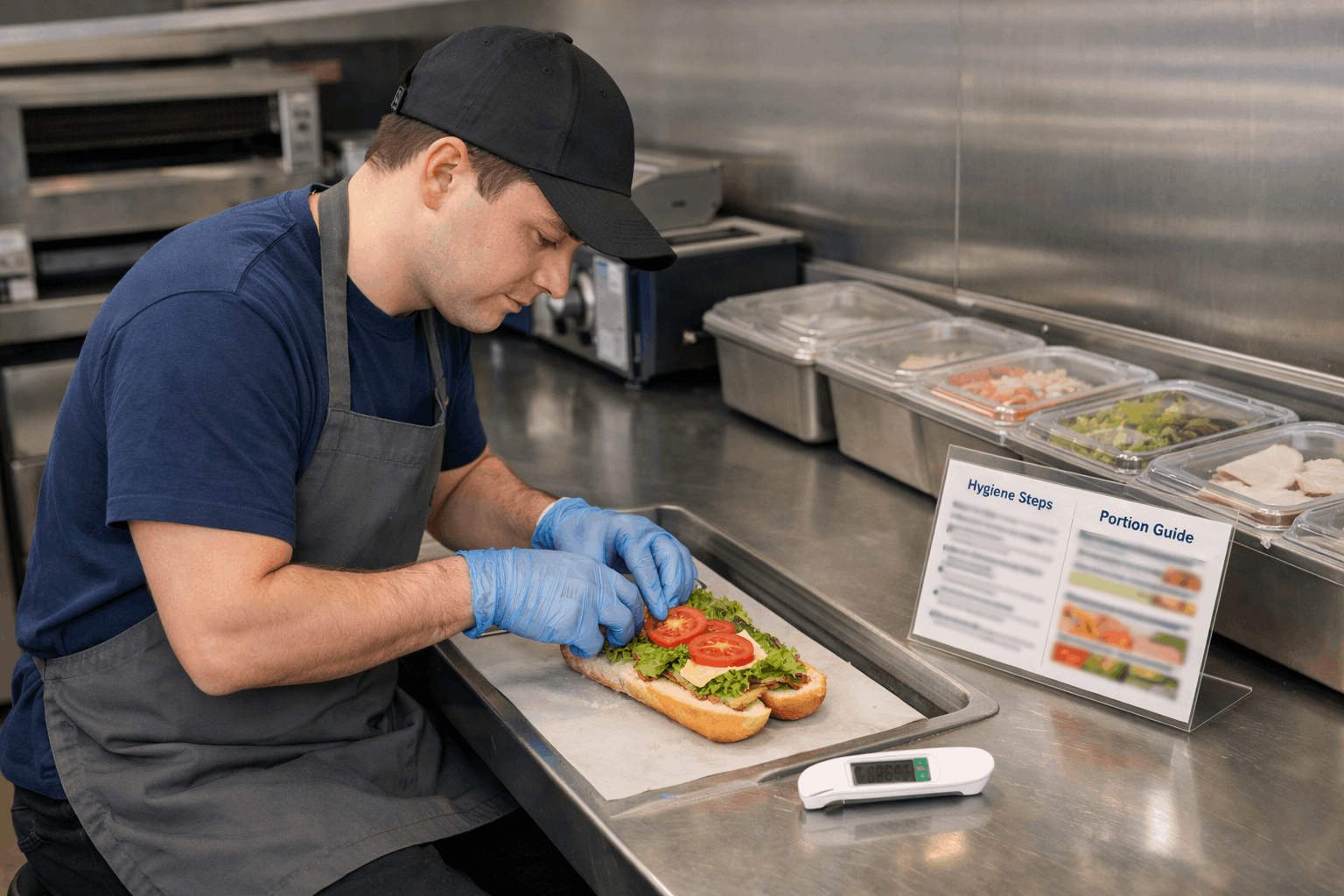
Core Training Modules for Staff
Core training modules focus on essential skills required for daily store operations. These lessons ensure consistent service, safety, and efficiency.
- Food Safety and Hygiene – Covers sanitation standards, safe food handling, and storage procedures.
- Customer Service Standards – Explains communication practices, order accuracy, and complaint handling.
- Product Preparation Procedures – Reviews ingredient portions, assembly steps, and presentation rules.
- POS and Cash Handling – Teaches register operation, payment processing, and refund procedures.
- Workplace Safety Basics – Addresses equipment use, accident prevention, and reporting guidelines.
- Operational Efficiency – Focuses on speed, teamwork, and maintaining service flow during busy hours.
Training Duration and Completion Process
Training is structured to guide new staff through onboarding in a clear, sequential manner. Completion is required before full independent work begins.
- Onboarding Timeline – Modules are assigned during the first days of employment.
- Self-Paced Learning – Lessons can be completed within scheduled training hours.
- Knowledge Assessments – Short quizzes measure understanding of key topics.
- Practical Evaluation – Supervisors review performance during hands-on tasks.
- Manager Approval – Final confirmation is required before training is marked complete.
- Ongoing Updates – Additional modules may be assigned when policies or products change.
Performance Monitoring After Training
Performance monitoring ensures training standards are applied during daily work. Ongoing review supports consistency and improvement.
- Manager Observations – Supervisors assess service quality, speed, and accuracy.
- Customer Feedback – Reviews and comments help measure service performance.
- Operational Checks – Compliance with food safety and procedures is verified regularly.
- Refresher Training – Additional modules are assigned if gaps are identified.
- Skill Development Reviews – Progress is evaluated for growth and promotion readiness.
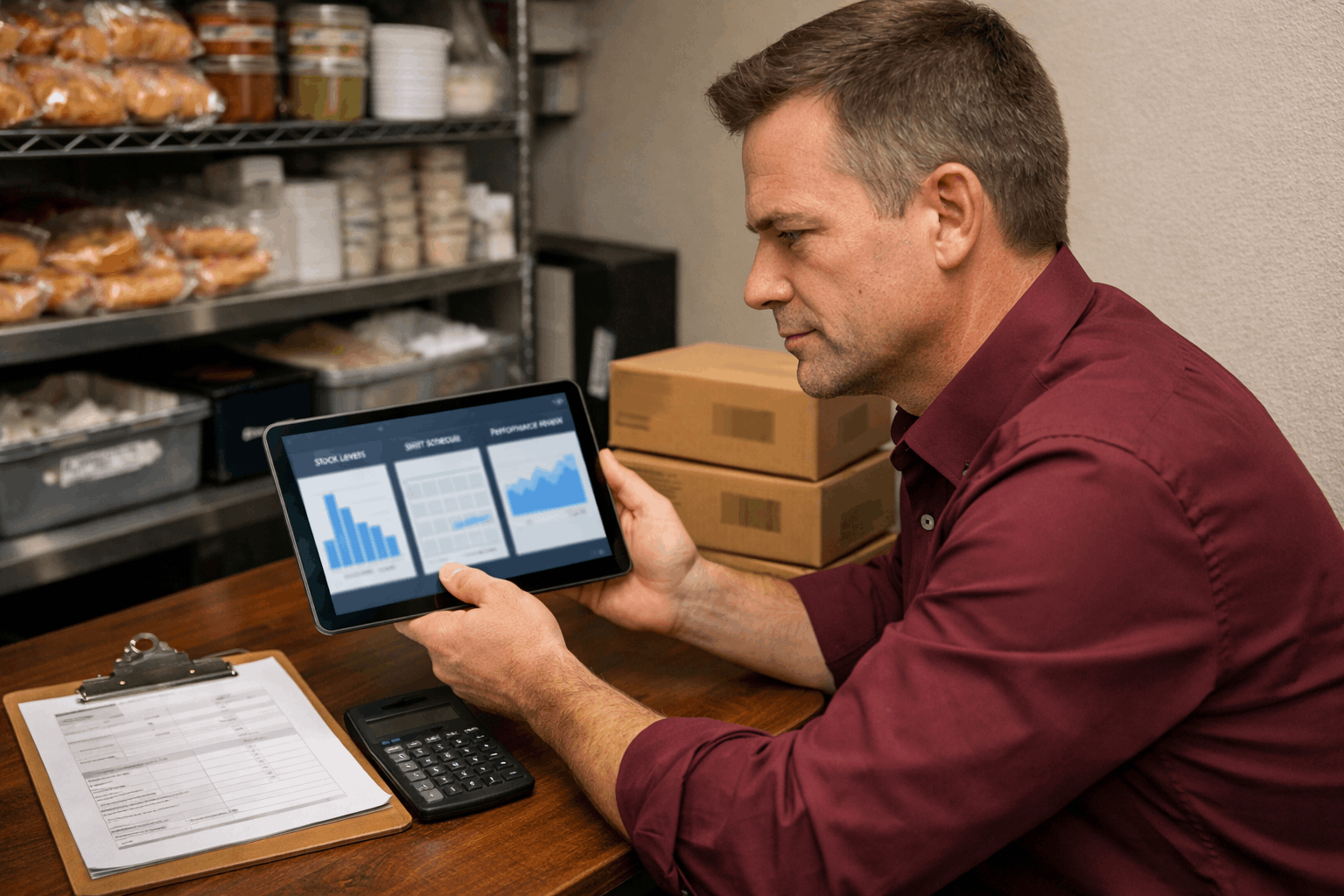
Training Expectations During the First 30 Days
This section explains what is required during the first month of employment. It defines early performance and learning standards.
- Initial Skill Benchmarks – Basic food prep and service standards must be demonstrated.
- Supervisor Progress Reviews – Performance is evaluated during early shifts.
- Speed and Accuracy Monitoring – Work pace and order precision are assessed.
- Team Integration – The ability to follow instructions and cooperate with staff is reviewed.
- Training Completion Targets – Assigned modules must be finished within the set timeline.
Compliance and Safety Certification Requirements
This section covers required certifications and operational compliance standards. It outlines responsibilities linked to workplace safety.
- Food Handler Certification – Required in some regions based on local laws.
- Health and Sanitation Policies – Hygiene procedures must be consistently followed.
- Equipment Safety Rules – Proper handling of tools and machinery is required.
- Policy Acknowledgment Forms – Confirmation of understanding of company guidelines.
- Regulatory Compliance Checks – Adherence to inspection and reporting standards.
Role-Specific Advanced Training Modules
This section focuses on additional modules for higher-level roles. It supports leadership and operational readiness.
- Inventory Control Training – Covers stock monitoring and supply organization.
- Scheduling Basics – Introduces workforce planning and shift coordination.
- Financial Awareness Modules – Explains cost control and performance tracking.
- Leadership Communication Skills – Develops team guidance and conflict resolution.
- Operational Decision-Making – Prepares staff for supervisory responsibilities.
Benefits of Online Training for Employees
Online training supports skill development and clear job expectations. It creates a structured path for performance and growth.
- Flexible Learning Structure – Modules are completed within scheduled training periods.
- Clear Performance Standards – Expectations are defined through standardized lessons.
- Improved Confidence – Practice and assessments build familiarity with tasks.
- Career Advancement Support – Completion prepares staff for higher responsibilities.
- Consistent Skill Development – Updates keep knowledge aligned with company standards.
Technical Support and Troubleshooting
Technical support ensures smooth access to the training platform. Troubleshooting helps prevent delays in module completion.
- Login Assistance – Password reset and account activation support are available.
- Device Compatibility Checks – Access works on approved devices and browsers.
- Internet Connection Requirements – A stable connection is needed for video and quizzes.
- Platform Navigation Help – Guidance on locating assigned modules.
- Manager Support – Store supervisors assist with technical access issues.
Accessing the Training Platform
Access to the training platform is provided after employment confirmation. Proper login setup ensures timely module completion.
- Employee Credentials – Unique login details are assigned during onboarding.
- Store Registration – Account is linked to the specific store location.
- Secure Login Process – Access requires a verified username and password.
- Dashboard Overview – Assigned modules appear in the personal training portal.
- Manager Guidance – Supervisors provide instructions for first-time access.
Career Growth Through Training
Training supports long-term development within the company. Structured learning prepares staff for higher responsibilities.
- Internal Promotion Pathways – Completed modules qualify staff for supervisory roles.
- Leadership Development – Advanced training builds management skills.
- Operational Knowledge Expansion – Broader understanding improves store performance.
- Performance-Based Advancement – Strong evaluations increase promotion potential.
- Cross-Training Opportunities – Exposure to multiple tasks strengthens versatility.
Common Questions About Subway Staff Training
Common questions focus on payment, completion rules, and training flexibility. Clear answers help set accurate expectations.
- Is Training Paid? – Payment policies depend on location and local labor rules.
- Can Modules Be Repeated? – Lessons may be retaken if minimum scores are not met.
- What Happens if Training Is Incomplete? – Delays can affect scheduling and full task assignment.
- How Long Does Training Take? – Completion time varies based on role and store requirements.
- Are Updates Required? – New modules are assigned when procedures or products change.
Build Skills and Move Forward with Confidence
Subway online training modules prepare staff with the skills and standards required for consistent performance.
Structured learning supports safety, service quality, and long-term career growth.
If you are considering Subway jobs, apply confidently and complete your training with focus and commitment.