Travel enthusiasts and frequent business flyers often encounter challenges with traditional bank cards. Hidden fees, currency exchange hassles, and security risks can turn a dream trip stressful.
For Spanish residents exploring global travel, the HSBC Viva Travel Card promises a set of features designed to make every journey safer and smoother.


This educational overview explores what the card offers, why it could be practical, and what users might wish to consider before applying.
What Is the HSBC Viva Travel Card?
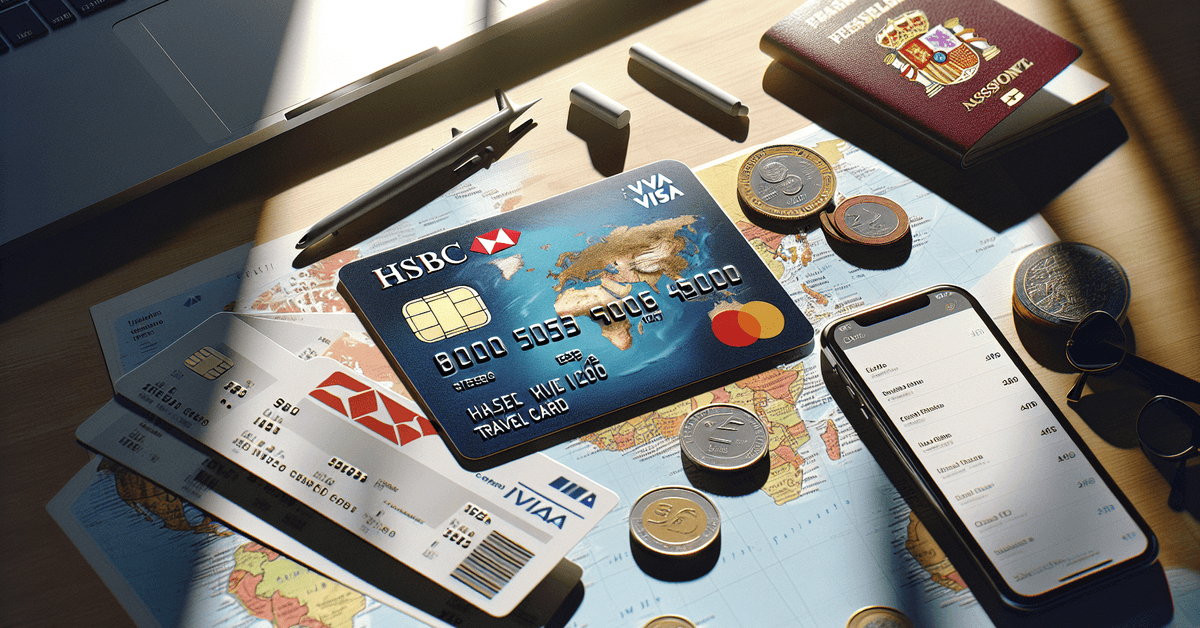
The HSBC Viva Travel Card is a financial product designed specifically for travel. Its primary aim is to reduce common financial frictions associated with spending abroad.
The card functions as both a payment card and a travel companion, catering to users seeking flexibility, improved control over foreign expenses, and added security.
Who Should Consider the HSBC Viva Travel Card?
This card is especially relevant for Spanish residents who often travel internationally for leisure, work, or study.
Occasional travelers can also benefit, but the card’s most attractive features may be more apparent to those managing regular overseas expenditures or working from multiple countries throughout the year.

Key Benefits of the HSBC Viva Travel Card
Understanding the main perks can help users determine if this card aligns with their needs. Here are several noteworthy features:
No Foreign Transaction Fees
Many cards impose extra fees for payments made in foreign currencies, but the HSBC Viva Travel Card stands out by eliminating or minimizing these charges.
Travelers can potentially save significant amounts, especially over long trips or repeated journeys abroad.
Competitive Currency Exchange Rates
Exchange rate markups can eat into travel budgets. With this card, currency conversion typically uses real-time interbank rates or offers competitive margins—though precise details may vary by country and transaction type. Travelers might want to compare these with their bank’s standard rates for context.
Enhanced Security Features
Security concerns are common when moving between countries. The Viva Travel Card often includes two-factor authentication, temporary card freezing, and instant transaction alerts.
Such features might reduce anxieties about unauthorized account use or fraudulent transactions far from home.
Contactless Payments and Digital Wallet Integration
The card supports contactless payments, making transactions quick and hygienic. Digital wallet compatibility (like Apple Pay or Google Pay) offers another layer of convenience for cardholders preferring to keep physical cards at home or in hotel safes.
Travel Assistance Services
Some versions of the card provide complimentary travel insurance, lost luggage support, or even emergency cash advances—although coverage varies based on the user’s banking relationship or card type. It might be worth reading the terms carefully before depending on any insurance protection.
How Does the Card Work When Abroad?
The Viva Travel Card works like a standard debit or credit card, but with added international features.
Users can load funds in euros and make payments worldwide, often with minimal restrictions. ATMs and POS terminals supporting Mastercard or Visa—depending on the card network—are generally accessible.
ATM Withdrawals
ATM access remains essential. The card may allow several monthly withdrawals without extra fees, but certain ATMs overseas might impose charges outside HSBC’s network. Keeping track of these limits helps avoid unexpected costs.
Managing Multiple Currencies
Some versions let users hold different currency balances or convert euros ahead of time. This feature may assist budget management but requires awareness of conversion windows and applicable fees.
Potential Drawbacks and Limitations
No card is suitable for every traveler, so the following points might merit consideration:
Eligibility and Application Process
The HSBC Viva Travel Card isn’t automatically available to everyone. Eligibility criteria—such as residency, existing accounts, or minimum income—could affect access.
Some applicants may find documentation requirements somewhat detailed, especially for first-time HSBC clients.
Fee Structure Transparency
While many fees are clear, others (like replacement cards, special currency handling, or non-standard operations) require careful attention to the card’s full terms and conditions.
Monthly Maintenance Costs
Though many benefits seem attractive, the card may have monthly or annual fees. Calculating whether these costs are justified by travel patterns and card use can help you make an informed decision.
Limitations on Usage
Not every merchant or country supports all card networks equally. While acceptance is broad, travelers heading to less-developed regions might face occasional issues at ATMs or points of sale.
Comparing HSBC Viva Travel Card with Other Options
Competition among travel cards is strong. While HSBC’s offering is compelling, other providers—like Revolut, N26, or traditional Spanish banks—may have alternative solutions. Each option carries a mix of costs, rewards, and usability factors worth reviewing.
Fee Comparison Table
| Card | Foreign Transaction Fee | ATM Withdrawal Fee | Currency Exchange Rate |
|---|---|---|---|
| HSBC Viva Travel Card | 0-1.5% | First 5 free; possible fees after | Interbank/competitive |
| Revolut Premium | 0% | €0 up to limit, then small fee | Real-time interbank |
| N26 You | 0% | Free worldwide | Mastercard rate |
Who Benefits Most from the Viva Travel Card?
Business travelers, students studying abroad, digital nomads, and frequent vacationers may benefit noticeably from this card.
Occasional travelers might also appreciate the reduced fees, though cost-effectiveness depends on annual usage.
Families planning yearly trips to multiple destinations could find the card’s combination of flexibility and security appealing.
How to Maximize the Value from HSBC Viva Travel Card
Track Spending in Real-Time
HSBC’s app typically provides instant transaction notifications, which makes budgeting easier and can increase peace of mind. Monitoring balances frequently reduces unwanted surprises.
Understand All Fees in Advance
Reviewing the full pricing structure—including rare or exceptional circumstances—helps prevent misunderstandings.
Comparing notes from recent cardholder experiences on travel forums might provide extra perspective, though official sources are most reliable.
Leverage Travel Assistance Perks
If the card offers travel insurance or emergency cash, verifying coverage details and emergency contact info before traveling is wise. Terms might shift annually, so staying updated is beneficial.
Enable Card Controls and Security Features
If features such as card freezing or spend alerts are available, enabling them can reduce anxieties about loss or theft. It is easy to overlook such options when first activating the card.
Legal and Tax Considerations for Spanish Residents
Traveling with international cards sometimes raises tax or reporting obligations. For example, bank transfers above a certain value may need to be disclosed to Spanish authorities.
Users may wish to verify local guidelines regularly, especially when using the card for work purposes or withdrawing larger sums abroad.
Alternatives to HSBC Viva Travel Card
Other fintech brands and major banks offer their own travel cards. Each comes with pros and cons—ranging from different rewards programs to fee structures or insurance scopes.
Exploring several options before choosing may lead to better alignment with personal travel goals or financial needs.
Tips for Using the HSBC Viva Travel Card
- Use it for foreign transactions to save fees
- Monitor exchange rates before spending
- Enable security alerts and controls
- Track ATM withdrawal limits
- Review all fees before traveling
Conclusion
The HSBC Viva Travel Card offers a practical solution for managing expenses while traveling abroad. Its reduced foreign transaction fees and competitive exchange rates provide clear advantages for frequent travelers.
However, understanding its fee structure and usage limits is essential before relying on it fully. Responsible use and regular monitoring help avoid unexpected costs during trips.
Overall, it is a strong option for individuals seeking convenience, security, and efficiency in international spending.