The average Latin American household now pays for two or three streaming subscriptions. That monthly total can easily hit $30 to $40 USD. Mercado Play charges nothing for its base catalog.
Most free streaming guides stop at “it has ads.” They skip the part where Mercado Play has started pulling catalog content from Disney+, Max, and Paramount+ into a single free interface. That changes what “free AVOD” means in this region.


This guide is for the Latin American viewer already juggling paid platforms and wondering if dropping one (or two) makes sense now that Mercado Libre’s streaming arm has expanded into 2026 with rentals, aggregated content, and Smart TV apps.
How Mercado Play Works and What It Costs
Mercado Play launched as a free, ad-supported streaming service from Mercado Libre, Latin America’s largest e-commerce company.
The platform is live in Argentina, Brazil, Chile, Colombia, and Uruguay, and the only requirement for access is a standard Mercado Libre account. No credit card. No trial period. No automatic billing after 30 days.
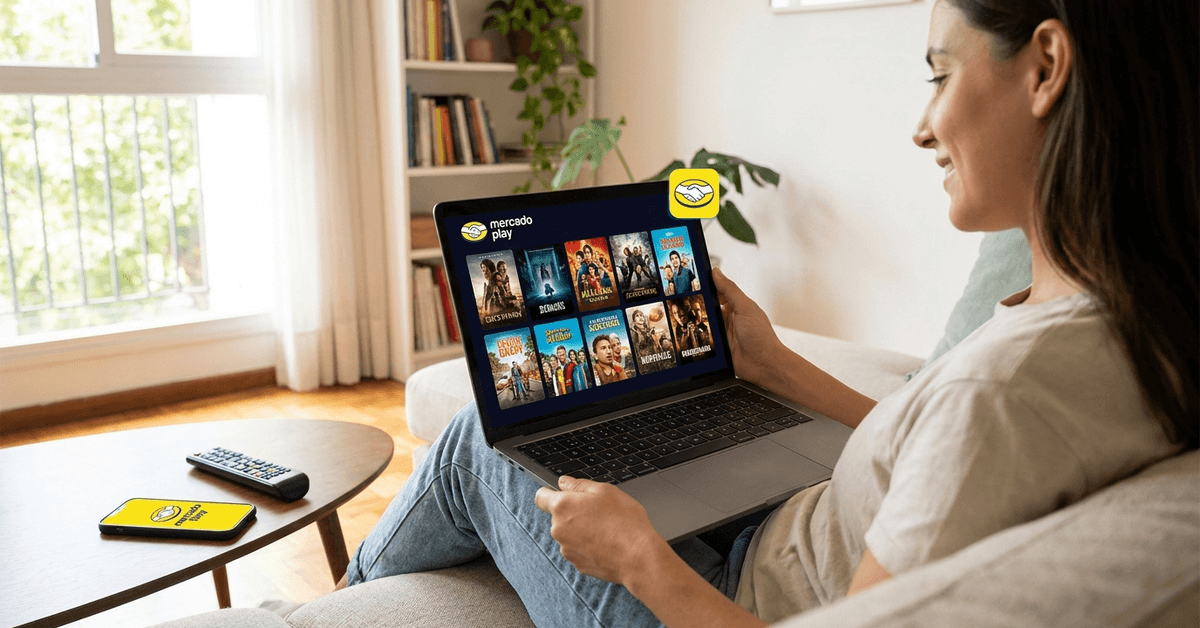
The business model is AVOD (advertising-based video on demand), so viewers see ads during playback instead of paying monthly.
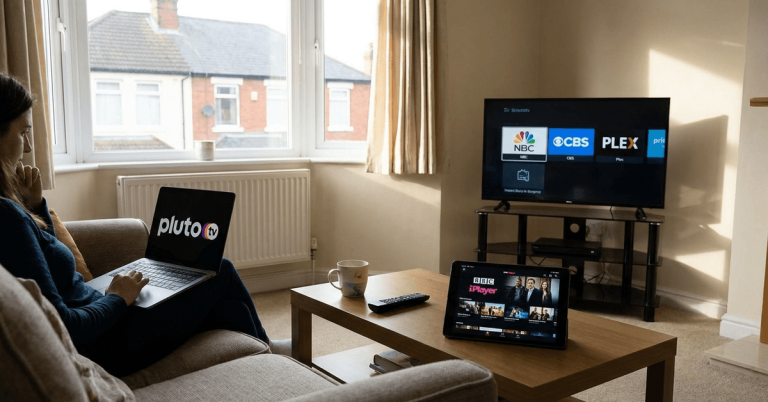
For anyone used to Pluto TV or Tubi, the format is familiar. The difference is the ecosystem sitting behind it: Mercado Libre reported 94 million unique buyers and 83 million monthly active fintech users in Q1 2026.
That built-in audience means Mercado Play doesn’t need to spend billions on user acquisition the way standalone streaming apps do.
Ads on Mercado Play: How Frequent and How Long
Ad loads on AVOD platforms vary, and Mercado Play is no exception. Expect short ad breaks before and during content.
The interruptions run shorter than broadcast TV, and there’s no way to pay for ad-free access on the free tier. For a platform charging zero, the trade-off feels tolerable compared to sitting through cable commercial blocks.
Mercado Play as a Content Aggregator in 2026
This is the detail that most Mercado Play guides miss entirely. The platform now functions as a content aggregator for Disney+, Max, and Paramount+ titles. So content that normally sits behind three separate paywalls appears inside a single free interface.
That shift happened gradually, but by mid-2026 the integration is visible in the catalog. Filters let users browse by platform source, genre, and age rating.
The result is a free browsing layer across multiple premium libraries, which no other Latin American AVOD currently offers.
Film Rentals Starting at R$8.90
Early 2026 brought another change: Mercado Play added a rental model. Prices start at R$8.90 per film in Brazil, with similar pricing structures across other markets. Payment runs through Mercado Pago, so credit cards, Pix, and boleto are all accepted.
The rental terms work like this: once purchased, a title stays available in the account for 30 days. After pressing play, there’s a 48-hour window to finish watching. The rental catalog includes franchises like Harry Potter and The Lord of the Rings, plus newer titles like Barbie and Oppenheimer.
I’d argue this rental setup beats a monthly subscription for anyone watching fewer than four new releases per month. At R$8.90 per film, four rentals cost roughly R$35.60. A single premium streaming subscription in Brazil runs R$40 to R$55 monthly.
Latin American Titles and Regional Programming
The free catalog leans heavily into Latin American productions, including series that rarely appear on global platforms. Argentine dramas, Brazilian comedies, Colombian thrillers.
For viewers tired of scrolling past the same Hollywood recommendations on every app, this catalog has material that won’t show up on Netflix’s front page.
A dedicated family section includes kids’ programming with age-based filters, so parents can restrict content without a separate app or profile setup.
Mercado Play Devices, Languages, and Streaming Quality
The device situation has improved since the platform’s 2023 launch. Mercado Play now has apps for Smart TVs, Android, and iOS.
The web version works through any browser. Chromecast and Amazon Fire Stick are supported for screen mirroring and casting.
Two gaps remain: there’s no dedicated app for Roku or gaming consoles like PlayStation or Xbox. The workaround is HDMI casting from a phone or laptop, which works but adds a step.
And offline downloads aren’t available. The service is streaming-only, so a stable internet connection is non-negotiable.
Subtitle and Dubbing Options on Mercado Play
Language support is uneven. Most titles offer Spanish and Portuguese dubbing or subtitles. English-language content typically streams with original audio and localized subtitles.
But coverage varies by title, and some older catalog entries have limited options. Checking subtitle availability before committing to a two-hour film saves frustration.
Mercado Play vs Pluto TV vs Tubi
All three are free AVOD platforms, but they serve different markets and catalogs. A side-by-side comparison:
| Feature | Mercado Play | Pluto TV | Tubi |
|---|---|---|---|
| Price | Free (rentals from R$8.90) | Free | Free |
| Available Regions | Argentina, Brazil, Chile, Colombia, Uruguay | Latin America, US, Europe | Primarily US, limited LatAm |
| Content Aggregation | Disney+, Max, Paramount+ integration | No aggregation | No aggregation |
| Rental Option | Yes | No | No |
| Smart TV App | Yes | Yes | Yes |
| Offline Downloads | No | No | No |
| Login Requirement | Mercado Libre account | None | Optional |
Mercado Play’s aggregation layer and rental option make it the most flexible of the three for Latin American viewers, though Pluto TV has a broader geographic footprint.
Getting Better Results on Mercado Play
The platform has more filtering and organization tools than most users realize. A few things worth doing from the start:
- Use genre and platform filters together to narrow results when the catalog feels overwhelming. Sorting by content source (Disney+, Max, Paramount+) cuts through the noise faster than scrolling.
- Check the rental section separately from the free catalog. Rental titles and free titles mix in search results, and the pricing only becomes visible on the title detail page.
- Create a watchlist where available. The feature isn’t universal across every device or region yet, but the mobile and web versions in most countries support saving titles for later.
- Test streaming quality on your connection before a movie night. Mercado Play adapts to bandwidth automatically, but not all titles are available in HD. A quick preview avoids buffering surprises midway through a film.
Catalog updates happen regularly, though not on a fixed public schedule. Checking back every few weeks or watching for in-app notifications is the best way to catch new additions.
Account Security and Privacy on Mercado Play
The platform runs on Mercado Libre’s login system, which means the same two-factor authentication and security protocols that protect e-commerce transactions apply to streaming access. No separate payment details are required for the free tier.
A strong password matters here more than on a disposable streaming account. A Mercado Libre login is tied to purchase history, Mercado Pago balances, and personal data. Sharing that login to let someone else watch free movies is a risk that isn’t worth the convenience.
Shared devices need extra caution. Logging out after sessions on a borrowed laptop or family tablet prevents accidental access to the full Mercado Libre ecosystem, not just the streaming content.
A Smarter Way to Think About Streaming Spend in Latin America
I think the conventional advice to “pick your two or three streaming services and stick with them” misses what Mercado Play’s 2026 model does to the math. A household in Brazil paying for Netflix at R$44.90, Disney+ at R$33.90, and Max at R$34.90 spends R$113.70 per month. Mercado Play aggregates content from two of those three platforms for free, and rents individual titles from the third at R$8.90 each.
For a household watching eight to ten titles per month (a mix of series episodes and films), dropping one paid subscription and supplementing with Mercado Play’s free catalog plus two or three rentals could cut that R$113.70 bill by a third.
Binge-watchers who need day-one access to every new release will still want a paid subscription. But the casual viewer, the one who watches a few things a week and doesn’t care about premiere dates, is overpaying if they haven’t checked what Mercado Play offers for free.
Questions People Ask About Mercado Play
Mercado Play is still new enough that the same questions keep popping up. A few that cover ground beyond what’s above:
- Q: Can I use Mercado Play outside Latin America with a VPN? The platform is geo-restricted to Argentina, Brazil, Chile, Colombia, and Uruguay. A VPN might technically load the interface, but playback licensing is region-locked. Titles may fail to stream or show errors even if the homepage loads. Mercado Play’s official page has current availability details by country.
- Q: Does Mercado Play have a separate app or is it inside the Mercado Libre app? Both. There’s a standalone Mercado Play app for Smart TVs and a dedicated section within the main Mercado Libre mobile app. The web version works independently through a browser. Device availability varies slightly by country.
- Q: Are rental prices the same across all countries? Rental pricing adjusts by market. The R$8.90 starting price applies to Brazil. Argentina, Chile, Colombia, and Uruguay have their own local currency pricing, and exchange rate shifts can create slight differences in real cost over time.
Conclusion
Mercado Play won’t replace a premium streaming subscription for heavy viewers who want everything on day one.
It fills a different slot: free legal content, a growing rental library, and aggregated access across platforms that normally cost R$30 to R$55 each per month.
Latin American viewers paying for services they barely use have a real alternative now. The smartest move might be testing Mercado Play for a month before the next subscription renewal hits.