Finding the best loan can be overwhelming, especially with so many online options. It isn’t always clear which offer really suits your needs, or which lender has your best interest in mind.
If you’ve wondered how to compare financing choices online, you’re definitely not alone. This article is designed for anyone who’s considering borrowing money—whether to cover unexpected expenses, consolidate debts, or plan a major purchase.


With so many personal loan offers out there, knowing what matters most can save time and protect your wallet.
Why Comparing Online Loan Options Matters?
Not all loans are created equal. Some lenders emphasize quick approval, while others focus on low interest rates or long repayment terms. Sometimes, offers that seem attractive hide unexpected costs.
Comparing options carefully might help you avoid regret later. The right comparison process mixes online research with a bit of skepticism—perhaps even a pinch of patience, too.

Risks of Choosing the First Offer
Rushing can lead to higher costs. If one skips comparison, they may face hidden fees, higher annual percentage rates (APR), or even unreliable lenders. It’s not uncommon for borrowers to wish they took more time initially.
Online Convenience and Transparency
Online lending platforms bring convenience and wider choices. It’s much easier now to check rates, terms, and lender reputations. However, the abundance can also feel confusing. Thoughtful research brings clarity.
Key Factors for Comparing Online Loans
Several crucial elements make or break a loan’s value for you. Knowing what to watch for—and being aware that some factors may change as you shop around—can make all the difference. Here are the main features to compare:
Annual Percentage Rate (APR)
This is the core cost to borrow money, combining interest and most fees. The lower it is, the less you’ll pay overall. But APR can fluctuate based on personal credit or loan type. Sometimes, advertised rates are “starting from” figures—always check what applies to your profile.
Loan Terms and Repayment Schedules
Shorter terms usually mean higher monthly payments but lower total interest. Longer durations ease the monthly strain, though might cost more overall. Consider what suits your stability.
Fee Structure
Look for origination fees, prepayment penalties, or late payment fees. These often hide in the fine print. A zero-fee offer isn’t always best, but knowing fees upfront provides peace of mind.
Approval Criteria and Eligibility
Each lender may have different requirements for credit score, income, or citizenship status. Applying without meeting these can lead to rejections (and, perhaps, temporary dips in your credit profile).
Funding Speed
If timing matters, check how quickly funds are disbursed. Some online lenders provide same-day deposits; others may take several business days.
Flexibility and Extra Features
Some loans offer features like early repayment flexibility, hardship assistance, or rate discounts for autopay. Decide which extras feel practical for your situation.
How Online Loan Comparison Tools Work?
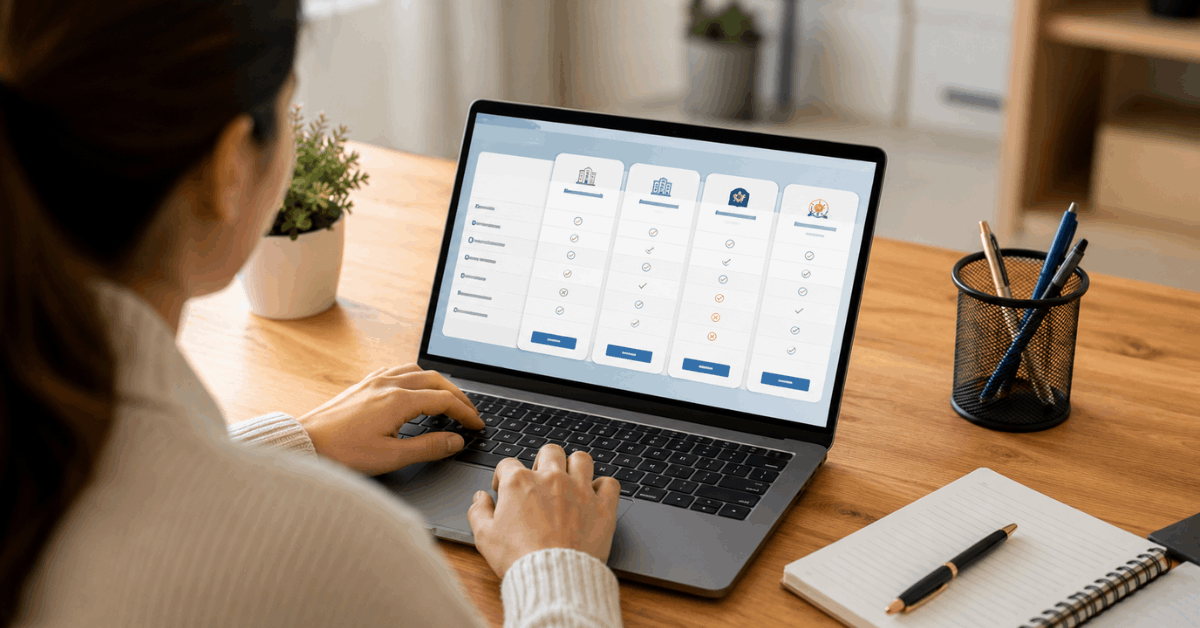
Many reputable sites allow users to compare loan rates and terms side-by-side. Usually, you’ll answer a few basic questions about your credit, income, and goals.
Then, offers matching your profile appear—sometimes with estimated monthly payments and total costs.
Popular Online Comparison Platforms
Trusted brands like NerdWallet, Bankrate, or LendingTree provide lender overviews, calculators, and educational resources. Some lenders also offer pre-qualification tools that show likely terms without impacting your credit score.
Information You’ll Likely Need to Provide
- Full name and contact details
- Estimated income and employment status
- Personal identification (for some lenders)
- Desired loan amount and purpose
Privacy is important. Double-check that a platform is secure (look for “https” in the address bar), and never share sensitive details unless you trust the service.
Comparing Online Personal Loans: A Step-by-Step Approach
This sequence might help you narrow your choices while reducing stress:
- Define Purpose and Amount Needed. This keeps you focused and discourages unnecessary debt.
- Check Your Credit Score. Knowing where you stand helps set realistic expectations.
- Visit Multiple Comparison Sites. Don’t rely on a single list; offers can vary.
- Read Real Customer Reviews. Genuine feedback reveals what terms and service might feel like in practice.
- Scrutinize APR and Fees. Calculate true total cost for each option, not just the monthly payment.
- Review Additional Features. Sometimes, a less attractive rate comes with valuable flexibility.
- Contact Lenders If Unclear. Questions about terms, eligibility, or fine print are normal—don’t hesitate.
Security and Safe-Browsing When Comparing Loans
Your security truly matters, especially with financial transactions online. Look for established lenders and avoid platforms with unclear contact information or poor reviews.
Browsing loan offers shouldn’t mean risking your data or finances. Unsure about a lender’s reputation? Sites affiliated with national financial regulators or government warning lists may provide reassurance.
Alternatives to Traditional Online Loans
For some, standard personal loans aren’t the only option. Sometimes, these alternatives might be more suitable—or just add confusion:
Peer-to-Peer (P2P) Lending
Platforms like Prosper or LendingClub connect borrowers directly with investors. Interest rates and eligibility might differ, and while sometimes more flexible, there’s also less regulatory protection.
Credit Unions and Local Banks
Many offer online applications and may be willing to overlook less-than-perfect credit. They tend to have competitive rates, but membership restrictions can apply.
Buy-Now-Pay-Later Services
Sometimes these work for smaller purchases, but the risk of overspending or unclear fees is real.
Tips for Comparing Online Loan Offers
A careful review can help you avoid costly or unsafe borrowing options.
- Plan purchases before shopping.
- Use cardholder promotions.
- Compare annual fees.
- Track monthly grocery totals.
- Combine offers when allowed.
- Check cashback limits.
- Review reward expiry dates.
- Avoid unnecessary purchases.
- Pay the balance fully.
- Monitor statement charges.
Conclusion: Choosing an Online Loan Carefully
The Aldi Credit Card may help frequent shoppers save more on groceries through cashback, exclusive promotions, and other cardholder benefits. However, its overall value depends on local reward rates, annual fees, interest charges, and any restrictions included in the terms.
Combining the card with planned shopping lists, store promotions, and careful budget tracking can improve long-term savings.
Paying the balance in full and reviewing each statement helps ensure that interest or unexpected fees do not outweigh the rewards earned.