You need to understand how the EBT card works before you apply.
Distribution Dates and Limits vary based on your state, household size, and income.
This guide explains how you can apply, when benefits are issued, and how your monthly amount is calculated.
What Is an EBT Card?
An EBT card is a government-issued card that lets you access approved assistance benefits electronically.
You use it to receive programs like SNAP food benefits or cash assistance.
The card works like a debit card, allowing you to pay for eligible purchases at authorized stores.
Who Qualifies for an EBT Card?
You must meet specific income and eligibility rules to qualify for an EBT card.
Your household size, income level, and residency status determine approval.
- Income Limits – Your gross and net income must fall within federal SNAP guidelines based on household size.
- Household Size – The number of people living and eating together affects eligibility and benefit amount.
- Residency Requirement – You must apply in the state where you currently live.
- Citizenship or Eligible Non-Citizen Status – You must be a U.S. citizen or meet qualified non-citizen criteria.
- Work Requirements – Certain adults without dependents must meet work or job-training requirements.
- Special Circumstances – Seniors and people with disabilities may qualify under adjusted income standards.
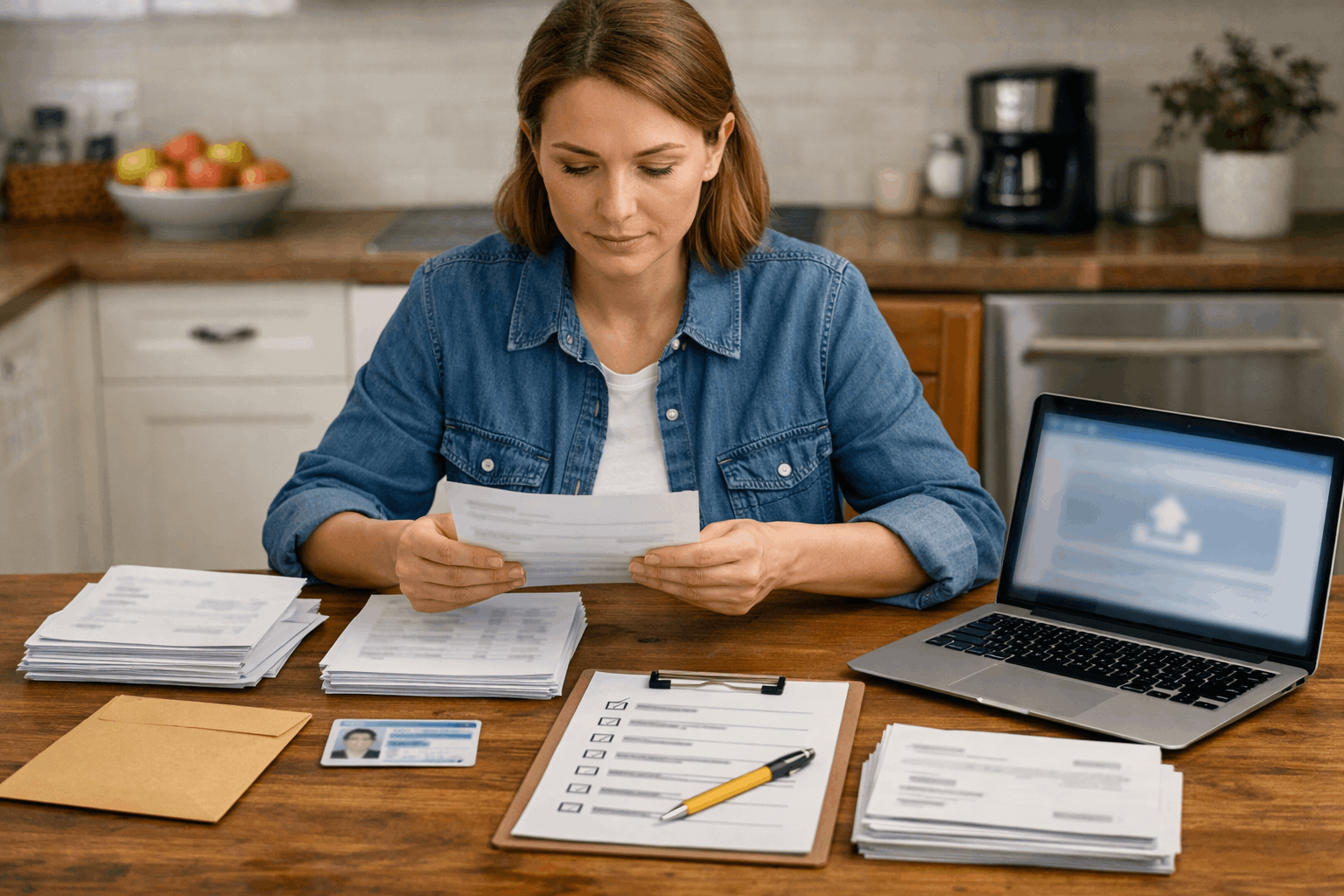
Required Documents Before Applying
Proper documentation must be prepared before starting the EBT application. Complete records help prevent delays and speed up processing.
- Government-Issued ID – A valid photo ID, such as a driver’s license or state identification card, is required.
- Proof of Income – Pay stubs, employer letters, or benefit statements verify current earnings.
- Proof of Residency – A utility bill, lease agreement, or official mail confirms the current address.
- Social Security Numbers – SSNs are required for all household members included in the application.
- Proof of Expenses – Rent, childcare, medical, or utility expense documents may support allowable deductions.
How to Apply for an EBT Card
The application process follows clear state guidelines. Submitting accurate information improves approval speed.
- Online Application – Apply through the official state benefits portal and complete all required sections.
- In-Person Application – Submit forms at a local assistance office for direct support.
- Mail or Phone Options – Some states allow paper applications or phone-based submissions.
- Eligibility Interview – A phone or in-person interview verifies income and household details.
- Approval Notice – A written decision confirms eligibility and benefit amount.
How Long Does It Take to Receive the Card
The timeline to receive an EBT card depends on processing speed and eligibility status.
Approval type and mailing time directly affect when the card arrives.
- Standard Processing Time – Most applications are processed within 30 days after submission.
- Expedited Benefits – Emergency cases may receive approval within 7 days if income qualifies.
- Interview Completion – Delays occur if the eligibility interview is not completed promptly.
- Document Verification – Missing paperwork can extend the review period.
- Card Mailing Time – After approval, the physical EBT card typically arrives within 5 to 10 business days.
- PIN Setup – Activation requires setting up a Personal Identification Number before use.
Understanding Distribution Dates
Distribution dates determine when monthly EBT benefits become available. The schedule depends on state systems and individual case details.
- Monthly Issuance Schedule – Benefits are loaded once per month on a fixed date.
- State-Based Differences – Each state sets its own issuance calendar.
- Case Number or SSN Rule – Dates may depend on the last digit of a case number or Social Security number.
- Staggered Distribution – States spread payments across several days to manage system volume.
- Weekend or Holiday Adjustments – Benefits may be issued earlier if the scheduled date falls on a holiday.
- Separate Programs Timing – SNAP and cash assistance may load on different dates.
Differences in Benefit Limits
Benefit limits vary by household. The final amount depends on income level, household size, and federal guidelines.
- Maximum Allotment by Size – Each household size has a fixed maximum monthly benefit limit.
- Income-Based Reduction – A higher countable income lowers the final approved amount.
- Net vs. Gross Income Rule – Eligibility and benefit levels are calculated using both income tests.
- Federal Standards – The USDA sets national maximum limits each year.
- State Administration – States manage distribution but follow federal benefit caps.
- Temporary Adjustments – Emergency or cost-of-living updates may temporarily increase limits.
How Household Size Impacts Your Benefits
Household size directly affects the calculation of monthly EBT benefits. The number of eligible members affects both eligibility and maximum limits.
- Higher Maximum Allotment – Larger households qualify for a higher maximum benefit amount.
- Income-to-Household Ratio – Total income is compared against household size to determine eligibility.
- Shared Food Budget Rule – Individuals who purchase and prepare meals together are counted as one household.
- Added Members – New dependents can increase the total monthly benefit.
- Removed Members – Members who move out may reduce the benefit amount.
- Mandatory Reporting – Household size changes must be reported to prevent overpayment or penalties.
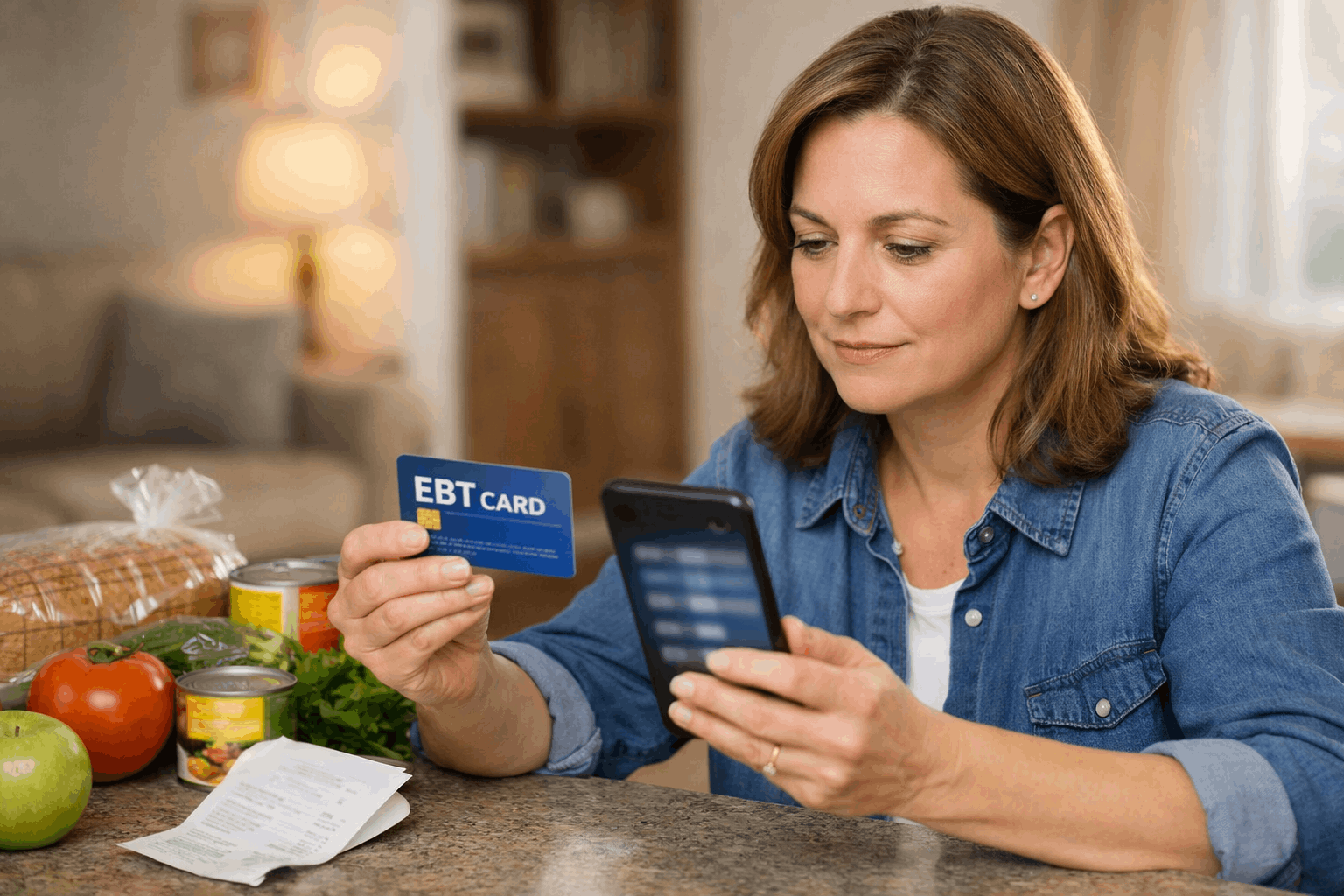
How to Check Your Balance and Limits
Tracking your balance helps prevent declined purchases and overdraft issues. Multiple tools allow quick access to current limits and available funds.
- State Online Portal – Log in to the official benefits portal to view real-time balance and transaction history.
- Mobile App Access – Many states offer an app to instantly monitor benefits and limits.
- Customer Service Line – Call the number on the back of the card to hear the current balance.
- Receipt Review – Store receipts show the remaining balance after each transaction.
- ATM Access for Cash Benefits – Cash assistance balances can be checked at approved ATMs.
- Transaction Alerts – Some states offer text or email notifications for activity updates.
Common Reasons Benefits Change
Benefit amounts can change after approval based on reported updates and policy rules.
Income and household adjustments directly affect monthly allotments and limits.
- Income Increase or Decrease – Changes in wages, job status, or other income sources adjust benefit calculations.
- Household Size Changes – Adding or removing a member impacts eligibility and total benefit amount.
- Failure to Report Changes – Late reporting can result in reductions, overpayments, or a temporary suspension.
- Missed Recertification – Failure to complete renewal requirements may delay benefits until reviewed.
- Policy or Federal Updates – Annual cost-of-living adjustments or rule changes can increase or reduce limits.
- Change in Expenses – Updated rent, utility, childcare, or medical costs can affect deductions and final benefit totals.
Using Your EBT Card Responsibly
Responsible use of the EBT card protects benefits and prevents penalties.
Clear spending habits help manage monthly limits effectively.
- Eligible Purchases Only – SNAP benefits cover approved food items but not alcohol, tobacco, or hot prepared meals in most cases.
- Track Monthly Spending – Monitor balance regularly to avoid running out before the next distribution date.
- Protect Your PIN – Keep the Personal Identification Number private to prevent fraud.
- Review Receipts – Check transaction details to detect errors immediately.
- Report Suspicious Activity – Contact customer service if unauthorized charges appear.
- Follow Program Rules – Comply with state reporting and usage guidelines to avoid suspension of benefits.
Final Steps to Secure and Manage Your EBT Benefits
Getting an EBT card requires understanding eligibility rules, Distribution Dates and Limits, and reporting responsibilities.
Benefit amounts and payment schedules vary based on state policies, household size, and changes in income.
Check your state benefits portal today, complete any required updates, and stay informed to protect your monthly assistance.