Car financing often feels out of reach when the upfront costs run high. Yet, for many in Mexico, car financing without a down payment is changing what’s possible.
If you’re curious about driving away in a new or used vehicle without saving up a hefty initial sum, this article explores how it’s achievable—and perhaps more accessible than you’d think.



This comprehensive guide is meant for anyone researching affordable ways to get a car in Mexico. Whether you’re a first-time buyer, someone with limited savings, or simply weighing different purchasing strategies, you’ll find practical insights here.
The main benefit? A chance to understand the process, consider the pros and cons, and ultimately make a well-informed decision about your next vehicle purchase.
What Does ‘No Down Payment’ Car Financing Mean?
In Mexico, the traditional way to finance a car usually requires a down payment—typically between 10% and 30% of the vehicle’s value.
However, some lenders offer financing arrangements where you can access a car loan without providing any initial deposit.
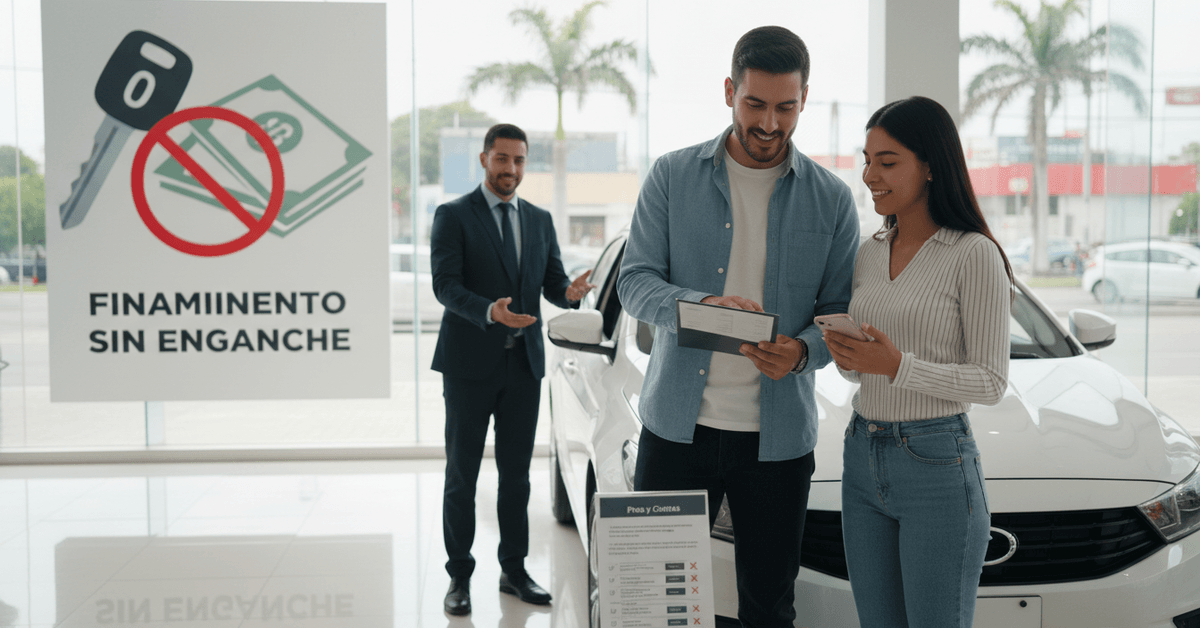
It’s important to clarify what’s really on offer. While avoiding a down payment is possible, eligibility and terms will depend on various factors, such as your credit history, the car’s age, and the lender’s policies.
Perhaps you’ve noticed that some web offers sound almost too good to be true. They often have stricter requirements hiding in the fine print. It’s worth taking a closer look before committing.
Why Choose Car Financing Without Down Payment?
There’s no single answer for everyone. For many, the biggest draw is immediate access to a vehicle without the stress of first saving up thousands of pesos.
This option might fit people who need reliable transportation quickly—say, for a new job in another city or to replace an old car that’s no longer reliable.
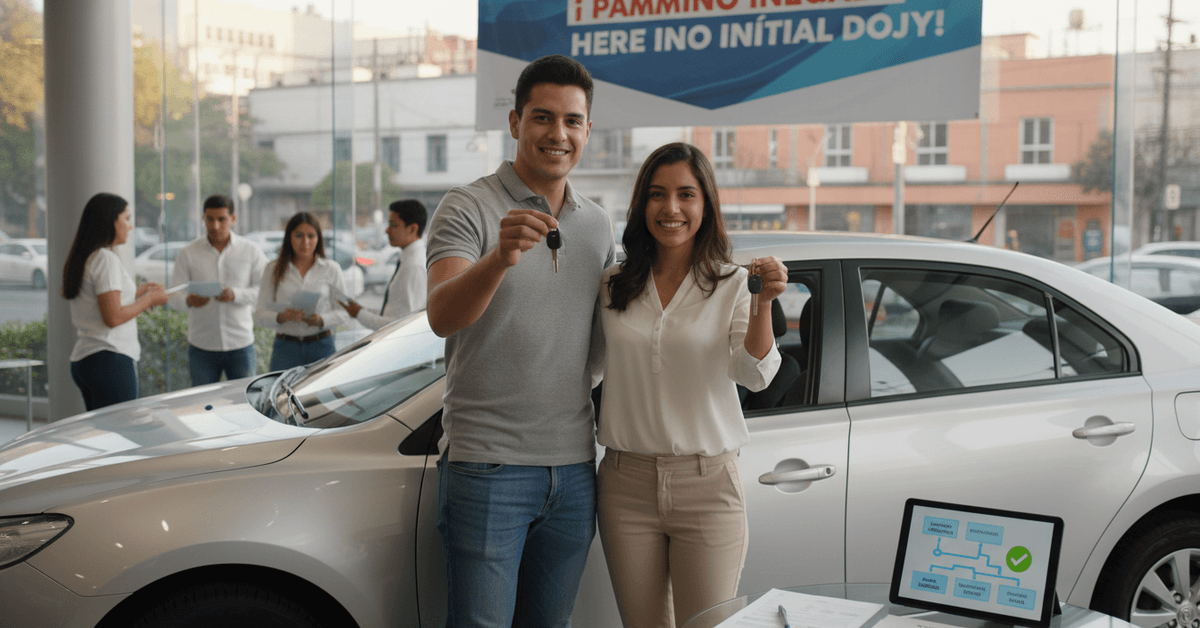
Of course, there are trade-offs. Financing the entire cost usually means higher monthly payments, as you’ll be borrowing more in total. Some buyers, myself included, have felt cautious when reviewing offers that look a little too convenient on the surface.
Pros
- No need for large upfront cash , which can help with cash flow and other immediate needs.
- Access to newer or higher-quality vehicles, even with modest savings.
- Builds your credit history if payments are made responsibly.
Cons
- Higher financing costs over the life of the loan.
- More rigorous approval process – lenders may require higher proof of income or stronger credit ratings.
- The temptation to take on more debt than is comfortable or sustainable, especially if you haven’t projected your monthly budget carefully.
How Does Zero Down Car Financing Work in Mexico?
To qualify, most lenders assess your credit score, employment history, and sometimes the type of vehicle you want. Banks, automaker finance divisions, and some specialty lenders provide these options.
Still, the variety of offers in Mexico isn’t as wide as in some larger markets, so the application process can feel a little unpredictable.
Once approved, the lender covers 100% of the vehicle’s price. Instead of giving a down payment, your financing agreement might include slightly higher interest rates or longer terms to offset the increased risk for the lender.
Main Requirements
- Proof of stable, sufficient monthly income (usually via payroll receipts or bank statements)
- Valid official identification (INE or passport), plus residency proof
- Good to excellent credit history—most lenders are more cautious with zero down
- Sometimes, vehicle age limits (e.g., cars under 5–7 years old for used models)
Where to Find Zero Down Payment Car Loans
- Major Mexican banks (such as BBVA Bancomer and Santander)
- Automaker finance divisions, especially during special promotions
- Online auto loan brokers dedicated to the Mexican market
There are moments when a dealership advertises “$0 enganche,” but the fine print might still include administrative fees or insurance pre-payments.
Perhaps ask questions up front to see the total initial cost, not just the down payment itself.
Key Points to Consider Before Applying
It’s tempting to focus on what zero down enables, but a deeper look at the numbers reveals important trade-offs.
For example, it could be argued that paying a small upfront fee, if at all possible, results in much lower monthly outflows.
Monthly Payments and Interest Rates
Borrowing 100% of a car’s value translates to higher monthly payments. It’s not uncommon for the interest rate to be slightly increased compared to loans with traditional down payments.
A good practice is to use an online calculator to estimate the final amount you’ll repay.
Loan Term
Some lenders might stretch terms up to 60 months (five years) to make payments affordable. But a longer loan often means more interest paid overall. Sometimes, it feels like a win in the short run, but the long-term costs can add up.
Insurance Requirements
Lenders nearly always require full coverage insurance when no down payment is made. This adds a fixed cost to your monthly budget. Some institutions also require insurance policies to be purchased directly from them, which may or may not offer the best rates compared to independent brokers.
Potential Hidden Fees
Watch for management fees, opening commissions, and other extras. Sometimes these increase the total initial outlay—even in a zero down scenario. It’s helpful to request a detailed breakdown of all fees in writing before committing.
Best Platforms and Lenders Offering Zero Down Car Financing
Not every lender advertises “sin enganche” options openly online—but many do provide tailor-made car loans for well-qualified buyers.
Some car manufacturers, like Nissan Finance or Volkswagen Financial Services, occasionally feature special offers during sales events, and major banks promote seasonal campaigns. It’s a dynamic sector; terms and availability fluctuate, so current research is a must.
- BBVA Bancomer Auto Loans: Known for flexible terms and periodic zero down deals.
- Santander Car Loans: Open to both new and used vehicles, with frequent seasonal promos.
- Kavak: Online platform specializing in used cars, sometimes offering zero down with selected partners.
- Automaker Finance Branches (e.g., Toyota, GM Financial): Sometimes feature targeted “$0 down” incentives for selected models.
It isn’t unusual for car dealerships to collaborate with multiple lenders. Perhaps it makes sense to approach more than one source and compare real offers—including the total cost of financing and the full repayment schedule.
Tips for Increasing Your Chances of Approval
Getting approved for car financing in Mexico without a down payment isn’t automatic—even with good credit. Yet, several practices can make a noticeable difference.
- Review your credit report beforehand. Small improvements, like paying off a credit card, can help.
- Gather documentation: income statements, address proof, and personal references if needed.
- Choose the right loan type. Sometimes splitting a small upfront fee can open the door to better rates.
- Double-check marketing offers. Occasionally, what looks like a zero down deal contains a required up-front insurance premium or VAT payment.
- If possible, negotiate. Some dealerships offer more flexibility at month’s end or during sales events.
Risks and Safeguards: What to Watch Out For
Zero down financing has some limitations. Not all cars are eligible, especially older or imported vehicles. Late payments can hurt your credit and may result in penalties—or, in more serious cases, vehicle repossession.
Legal protections for consumers in Mexico are relatively strong, though vigilance is important. It can be reassuring to do business with well-known lenders or licensed dealerships.
If a deal seems uncertain, checking with the CONDUSEF (the National Commission for the Protection and Defense of Users of Financial Services) is an option.
Signs of a Reputable Offer
- Transparent fee structure
- No pressure tactics—time to think before signing
- Clear communication about what is, and isn’t, included in the financing